Spanish
  English
  French
  German


Keynote Speaker Change Management: Top 3 Success Secrets
Navigating the Tides of Transition in Modern Business
Keynote speaker change management has become a critical solution for organizations struggling to adapt in today’s rapidly evolving business landscape. With over 70% of change initiatives failing to achieve their goals, the need for expert guidance is undeniable. This failure rate represents lost investments, decreased morale, and missed opportunities.
Change is no longer optional—it’s mandatory. Whether facing digital change, restructuring, or market disruption, an organization’s ability to steer transitions determines its success. In fact, organizations that manage change well are 2.5 times more likely to outperform their peers in profitability.
The core challenge is not just implementing new processes; it’s managing the human element. Helping people overcome resistance and maintain productivity during turbulent times is where a skilled keynote speaker becomes invaluable. They equip leaders and teams with the tools and mindset to thrive amidst disruption.
As Steve Taormino, I’ve spent over 25 years helping organizations understand the psychology behind successful transitions. My experience has shown that effective keynote speaker change management goes beyond inspiration—it requires a deep understanding of human behavior and proven frameworks for lasting change.

Why Most Change Initiatives Fail (And How to Beat the Odds)
Many well-intentioned change initiatives falter because they neglect the human brain’s response to perceived threats. When change feels like a personal danger, our neurological responses trigger resistance, preventing successful adaptation. This leads to common pitfalls like employee resistance, communication breakdowns, and leadership gaps. Fear of the unknown can cause productivity dips and low morale, creating a challenging environment for any transition.
The good news is that effective change leadership can dramatically improve these odds, with research indicating it can reduce employee resistance by up to 50%. This isn’t magic; it’s about understanding and addressing the core reasons people resist change. A major change process is an arduous journey, but strong change management practices lead to higher employee engagement and productivity. This underscores the importance of not just planning the ‘what’ of change, but carefully planning the ‘how’—especially how we communicate and support our people.
Organizational Communication Improvement
The Psychology of Resistance
At the heart of failed change lies the psychology of resistance. Our brains are hardwired for survival, and any perceived threat—such as to job security or familiar routines—can trigger a “fight or flight” response. Past negative experiences with poorly managed change can also breed cynicism. When change signals potential danger, our built-in responses cause people to resist, often leading to decision paralysis. Understanding these psychological underpinnings is where marketing psychology insights become invaluable, helping us frame change in a way that resonates positively with human behavior.
Marketing Psychology Insights
The Critical Role of Leadership in Times of Disruption
In times of disruption, leadership is about guiding people through uncertainty with empathy and vision. The primary challenge for leaders is to communicate the “why” behind the change, foster resilience, and build trust. Leaders must lead by example, embodying the adaptability they expect from their teams. Creating a culture of psychological safety, where employees feel comfortable expressing concerns, is paramount for open communication. Strong leaders don’t just manage change; they inspire it, understanding that flexibility is a crucial skill for adapting to new business processes and ensuring the business moves forward.
Leadership for Business Growth
Executive Leadership Training
The Transformative Impact of a Change Management Keynote Speaker

A powerful keynote speaker change management expert doesn’t just give speeches—they create moments of change by bridging the gap between inspiration and implementation. A great speaker provides concrete, actionable tools, helping people understand not just what needs to change, but how to make it happen in their daily work.
What truly sets exceptional speakers apart is their ability to shift mindsets. They help people see change not as something happening to them, but as something they are actively participating in. When people feel like partners in change, resistance melts away and engagement soars. The numbers back this up: organizations that manage change effectively are 2.5 times more likely to outperform their peers in profitability. A skilled speaker also excels at unifying teams around a shared vision, which is crucial for building high-performing teams that can steer any transition smoothly.
From Resistance to Resilience: Fostering an Adaptable Workforce
The most profound impact a speaker can have is helping people move from resistance to genuine resilience. This isn’t about forcing acceptance; it’s about building employee resilience as a core, learnable skill. The best speakers teach people how to rewire their thinking, increase mental flexibility, and accept discomfort as a catalyst for growth. They help cultivate a growth mindset, reframing obstacles as opportunities. The goal isn’t to eliminate discomfort but to build the mental and emotional muscles needed to steer uncertainty with confidence. This focus on peak performance creates workforces that don’t just survive change—they thrive because of it.
How a Speaker Can Unify Your Organization’s Vision
A change management expert creates a shared narrative that everyone can get behind. They translate complex strategies into compelling stories that resonate on a personal level, aligning teams with strategic goals by showing each person how their role contributes to the bigger picture. The result is a dramatic boost in morale and engagement. When people feel part of a meaningful journey, they become advocates for change. This internal alignment also strengthens customer engagement solutions by projecting confidence and clarity.
Here are the 3 key benefits of hiring a change management speaker:
- Reduced Resistance and Increased Buy-in: Speakers provide psychological insights that help employees understand and champion change.
- Improved Employee Engagement and Morale: By inspiring and validating people’s experiences, speakers boost morale during challenging times.
- Actionable Strategies and Unified Vision: They deliver concrete frameworks that align everyone around a clear, shared vision for success.
Core Strategies and Frameworks Top Speakers Champion
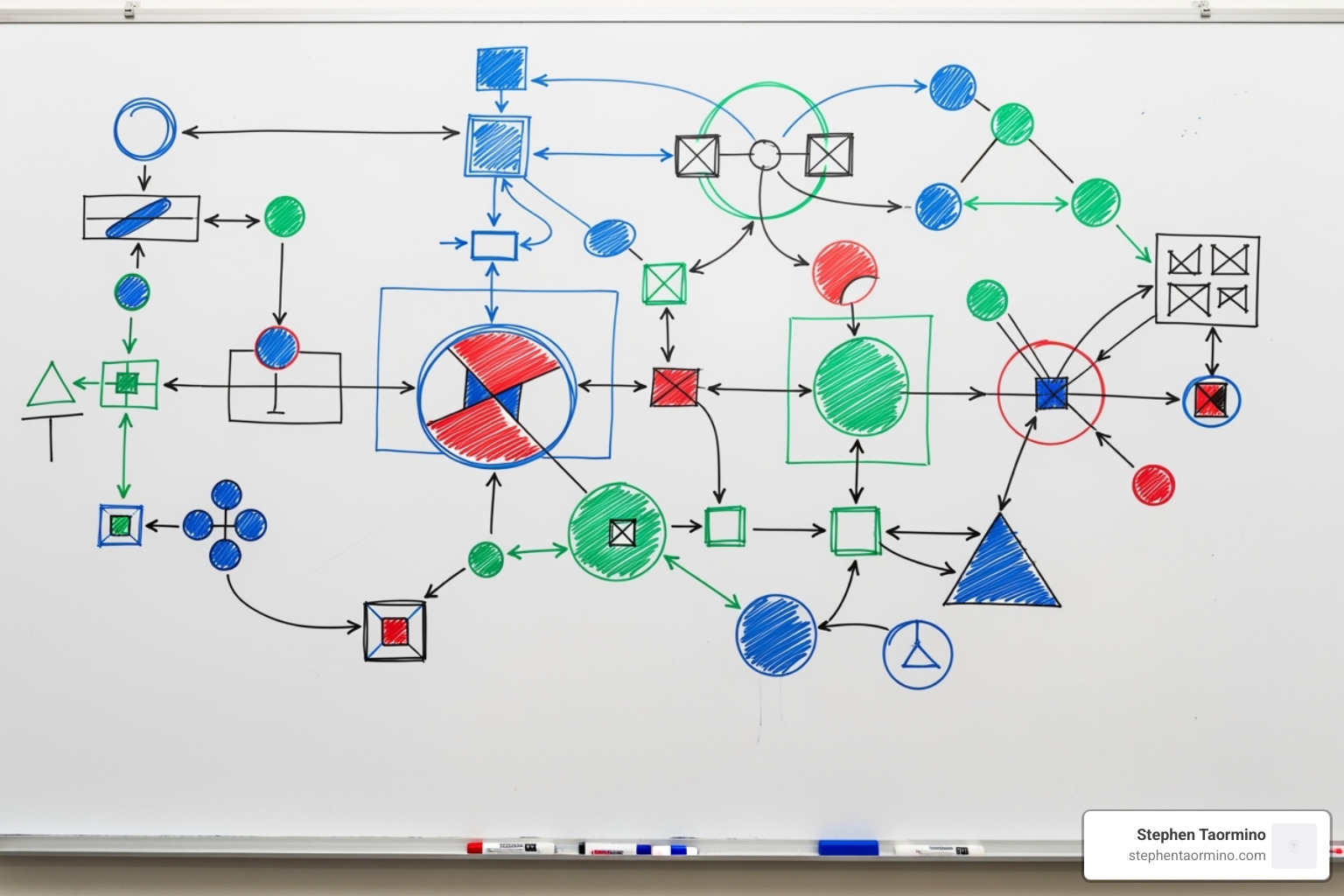
The best keynote speaker change management professionals deliver actionable frameworks, not just theoretical lectures. They understand real change happens when people have concrete tools. By combining proven methodologies with compelling storytelling, they make complex organizational concepts stick. Whether your organization is navigating a digital change or restructuring, these experts bring battle-tested strategies that translate abstract theories into practical steps your leaders can implement immediately.
Digital Change Strategy
Change Management Keynote Speaker
Communicating Change Effectively
Most organizations get change communication wrong by focusing on what they want to say, not what people need to hear. Effective speakers teach the art of the communication cascade, ensuring messages reach every level with clarity. Transparency is essential; people handle difficult news better than uncertainty. Creating meaningful feedback loops transforms communication from a one-way broadcast into a genuine conversation. It’s also vital to tailor your message for different audiences, as the concerns of senior leadership differ from those of frontline employees.
How to Moderate a Panel Discussion
Popular Change Models Explained
Successful change management often follows proven patterns. Two frameworks top speakers frequently reference are Kotter’s 8-Step Model and the ADKAR Model.
| Feature | Kotter’s 8-Step Model | ADKAR Model |
|---|---|---|
| Focus | Organizational-level change; Leadership-driven | Individual-level change; People-centric |
| Steps | 1. Urgency, 2. Guiding Coalition, 3. Vision & Strategy, 4. Volunteer Army, 5. Remove Barriers, 6. Short-Term Wins, 7. Sustain Acceleration, 8. Institute Change | 1. Awareness, 2. Desire, 3. Knowledge, 4. Ability, 5. Reinforcement |
| Primary Goal | Successfully implement large-scale organizational change | Ensure individual adoption of change |
| Key Strength | Comprehensive, structured, top-down | Addresses human element, bottom-up engagement |
Another foundational approach is Lewin’s Change Model (Unfreeze, Change, Refreeze), which reminds us to disrupt the status quo before solidifying new habits. However, the most progressive speakers champion a human-centric approach, recognizing that all change is personal. People change because of how they feel, and this emotional component is often the key to success.
More info about keynotes
Navigating the VUCA World: A Modern Approach to Change
We live in a VUCA world—one characterized by Volatility, Uncertainty, Complexity, and Ambiguity. This reality has fundamentally changed how we must approach organizational change. Traditional, rigid plans no longer work when the landscape shifts constantly. Instead, the best speakers focus on developing organizational agility—the ability to sense and respond to changes quickly. This means building teams comfortable with ambiguity, creating systems that can pivot, and helping people develop a mindset to thrive when the only constant is change itself.
Digital Change Keynote Speaker
What to Look For: Essential Qualities of an Elite Speaker
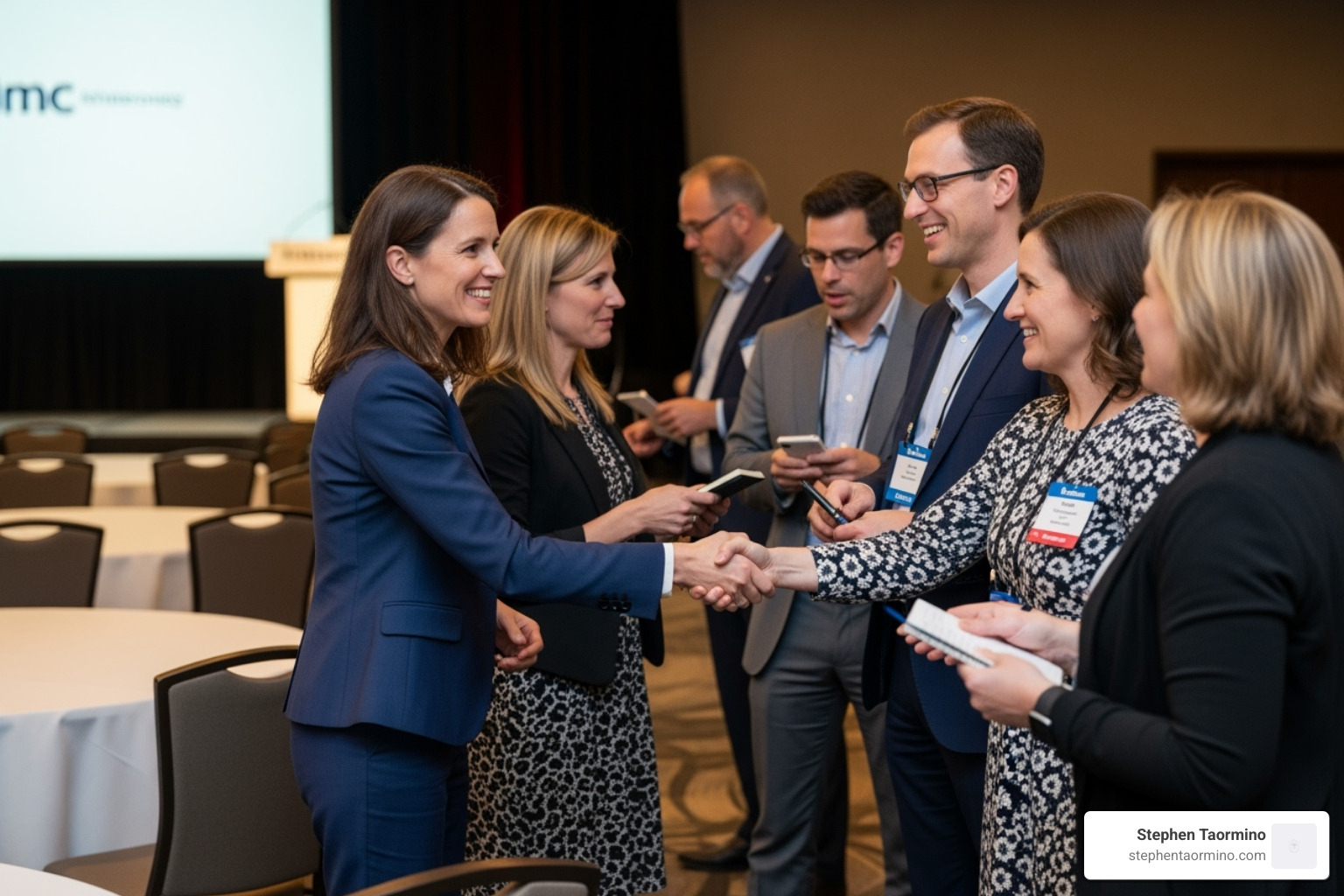
When investing in a keynote speaker change management expert, you’re hiring a catalyst for your organization’s change journey. The difference between an average speaker and an elite one can make or break your initiative.
Look for a foundation of credibility and real-world experience. You want a practitioner who has guided organizations through their most challenging transitions. They should also have an engaging delivery style that weaves compelling narratives to make complex concepts stick. However, the most critical quality is customization. An elite speaker invests time to understand your specific challenges, industry, and culture, crafting a message that speaks directly to your team’s reality.
How to Get Keynote Speaking Engagements
The Power of Storytelling and Psychology
The most impactful speakers understand that change is about people. As master storytellers, they connect with audiences emotionally, knowing that facts tell, but stories sell—especially the idea of embracing uncertainty. They dive deep into leveraging human behavior, reframing challenges as opportunities and inspiring action through understanding. Making complex ideas relatable is an art form. This is where marketing psychology becomes a powerful tool, enabling a speaker to craft messages that resonate on both logical and emotional levels.
Authority in Marketing
Finding a True Partner for Your Digital Change
Many organizational changes today involve technology. Your speaker must understand that digital change isn’t just about new software; it’s about fundamentally shifting how people work. Look for someone who is current with industry trends but keeps the focus on the human impact, helping leaders make data-driven decisions without losing sight of culture.
A truly exceptional speaker acts as a true partner, not just a vendor. They are invested in your long-term success. Stephen Taormino’s unique approach exemplifies this, combining marketing psychology with digital change technology expertise. This dual focus ensures that new processes are not only implemented but are also understood, adopted, and accepted by your team, paving the way for genuine change.
Digital Change Technology
Beyond the Applause: Measuring the ROI of Your Change Initiative

A keynote speaker change management event is the beginning, not the end. While inspiration is valuable, the real work starts afterward. Measuring the return on investment (ROI) is crucial to confirm that the initiative delivered tangible business results.
Key performance indicators (KPIs) should connect directly to your change goals. Employee surveys offer a window into shifting attitudes and morale. Productivity metrics tell an important part of the story, as supported employees often show improvements in output and quality. Retention rates are also telling; if talented employees stay engaged during transitions, your approach is working.
Marketing ROI Best Practices can offer further insights into tracking business impact.
Pre- and Post-Event Metrics for Your Keynote Speaker Change Management
Effective measurement starts before the speaker takes the stage. Establishing baseline metrics—on engagement, resistance, and productivity—is essential to prove what changed. Pulse surveys immediately following the keynote can capture the initial shift in mindset, while focus groups can dive deeper into qualitative insights, revealing what concepts resonated and what concerns remain. The most important metric, however, is the adoption rate of new processes and behaviors. Real change happens when people modify their daily work, not just when they feel inspired.
Customer Engagement Analytics Platform solutions can help streamline this data collection and analysis.
Ensuring Lasting Impact: How to Sustain Momentum After a Keynote Speaker Change Management Event
The biggest challenge is preventing enthusiasm from fading. Intentional follow-up is key to sustaining momentum.
- Reinforcement sessions, like lunch-and-learns, keep the conversation alive and maintain visibility.
- Leadership accountability is non-negotiable. Leaders must consistently model the desired behaviors.
- Integration into training programs, such as new employee orientation or leadership development, embeds the concepts into your organizational DNA.
- Celebrating small wins keeps people motivated by acknowledging incremental progress and reinforcing that their efforts matter.
Corporate Leadership Development Programs can help embed these principles for long-term impact that extends far beyond a single event.
Lead Your Team Through Any Transition
Change is a constant in modern business, and embracing it is what separates flourishing organizations from those that fade away. Companies that get ahead are those that equip their teams with the tools and mindset to turn transitions into opportunities.
After 25 years in this business, I’ve learned that the power of expert guidance makes all the difference. A seasoned keynote speaker change management specialist is a catalyst who can shift how your entire organization responds to change. Investing in your team’s adaptability is essential for survival and future profitability.
The journey through change can feel overwhelming, but you don’t have to steer it alone. Successful change is fundamentally about people. Taking the first step means acknowledging the human element and seeking expertise to open up your team’s potential. Your people are your greatest asset, and they deserve the support to thrive during uncertain times.
To equip your team with strategies to not just survive, but thrive through change, explore how a Change Management Keynote Speaker can make the difference for your organization. Change is inevitable—but struggle doesn’t have to be.