Spanish
  English
  French
  German


Why AI-Powered Customer Engagement Is Reshaping Business Success
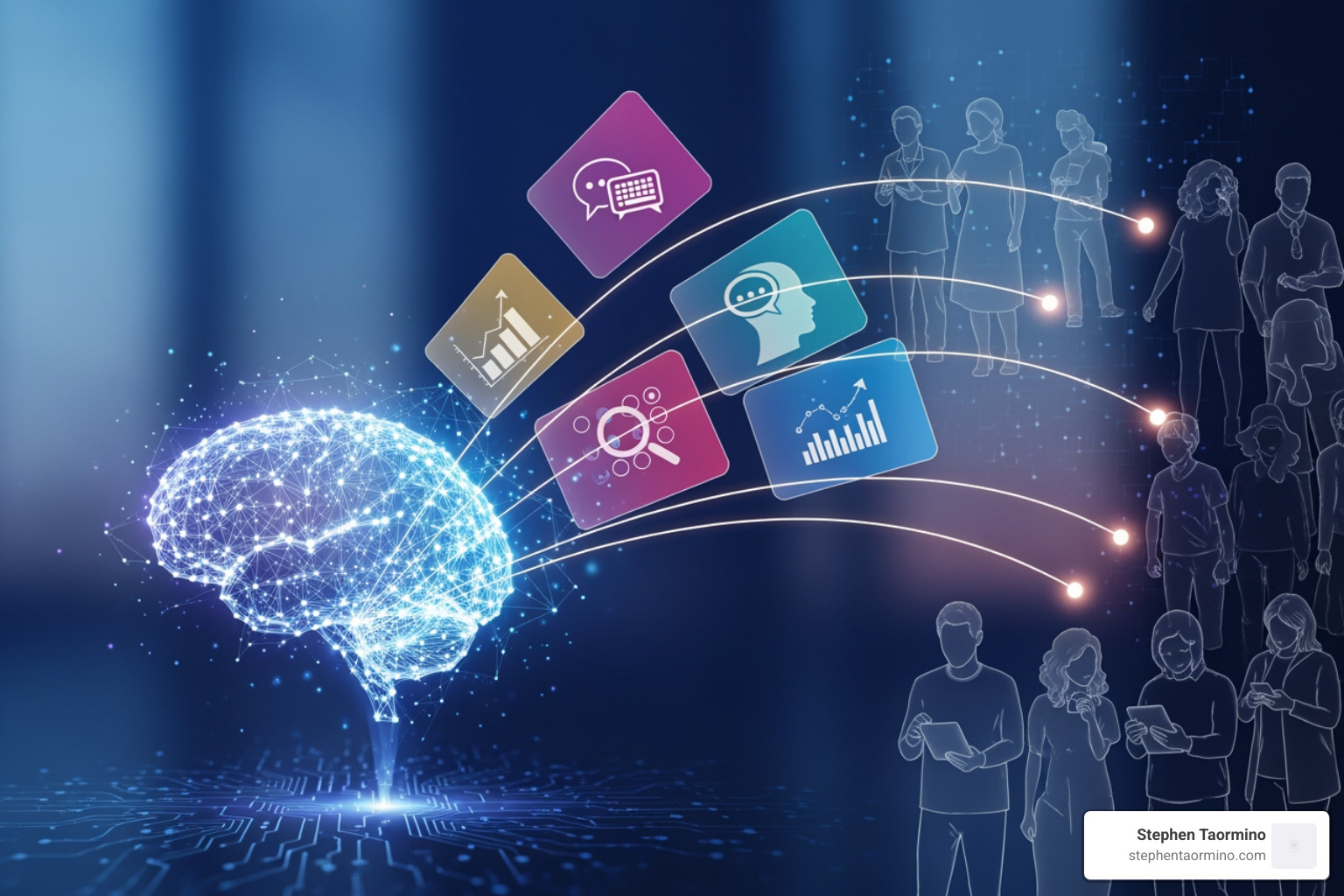
An ai powered customer engagement tool is software that uses artificial intelligence to automate, personalize, and optimize customer interactions. These tools leverage technologies like machine learning and predictive analytics to offer AI chatbots for 24/7 support, unify conversations across all channels, and deliver real-time personalization. They also provide agent-assist features like sentiment analysis and automated workflows. In an era where consumer expectations are at an all-time high, the ability to respond instantly and accurately is no longer a competitive advantage—it is a baseline requirement for survival.
Many businesses struggle with disconnected data, forcing teams to switch between platforms while customers repeat themselves. This fragmentation leads to “customer friction,” where the effort required to resolve an issue or make a purchase becomes a barrier to the transaction itself. AI-powered tools solve this by creating a unified view and letting intelligent automation handle the busywork. The results are compelling: organizations using AI see up to 30% higher retention rates, and AI chatbots can increase engagement by 60%. With the global AI in CRM market projected to hit $22.4 billion by 2027, it’s clear this technology is a game-changer for modern enterprises.
I’m Steve Taormino, President & CEO of CC&A Strategic Media. With over 25 years of experience in marketing psychology and digital innovation, I’ve seen how the right ai powered customer engagement tool transforms scattered touchpoints into strategic advantages that drive real business growth. By understanding the underlying psychological triggers that lead to brand loyalty, we can better implement technology that doesn’t just process data, but builds genuine human connection at scale.
Common ai powered customer engagement tool vocab:
The Core Engine: What Are AI-Powered Customer Engagement Tools?

At its heart, an ai powered customer engagement tool is a sophisticated software solution designed to make every customer interaction more relevant, efficient, and human. These platforms use AI to improve every stage of the customer journey, from the first moment of discovery to post-purchase support. Unlike traditional software that follows rigid, pre-defined rules, AI-driven systems learn from every interaction, becoming smarter and more effective over time.
The core functionalities include:
- AI Chatbots and Virtual Assistants: These provide instant, 24/7 support, handling routine inquiries to free up human agents for more complex tasks. Modern bots use Natural Language Understanding (NLU) to grasp intent, not just keywords.
- Predictive Analytics: This powerful feature analyzes data to forecast future customer behaviors and preferences, allowing you to anticipate needs before the customer even voices them.
- Personalization Engines: AI delivers custom content, product recommendations, and offers that resonate with individual customers, moving beyond generic messaging to true 1:1 communication.
- Omnichannel Orchestration: This ensures a seamless, consistent experience across all touchpoints—email, social media, chat, and phone—creating a unified customer journey where the context follows the user.
The integration of AI is fundamentally changing CRM systems. This shift is reflected in the market’s rapid expansion; the global AI in CRM market is projected to reach $22.4 billion by 2027, growing at a 12% CAGR. For more insights, explore our guide on customer engagement technology.
How AI Improves Personalization in an AI Powered Customer Engagement Tool
Personalization is an expectation, and AI makes it possible at scale. An ai powered customer engagement tool excels at this by:
- Analyzing Customer Data: AI sifts through purchase history, browsing behavior, and interaction logs to build comprehensive customer profiles that update in real-time.
- Predicting Behavior: Based on this analysis, AI anticipates what a customer might want next, enabling proactive offers that feel helpful rather than intrusive.
- Customizing Offerings: AI tailors website content, emails, and recommendations to create a 1:1 engagement experience, ensuring that the right message reaches the right person at the right time.
- Adjusting in Real-Time: AI can adapt responses during a live interaction to ensure the conversation remains relevant and efficient. This level of personalization can lead to a potential 15% boost in sales.
- Optimizing Journeys: AI guides customers along the most effective path, reducing friction and increasing satisfaction by removing unnecessary steps in the conversion funnel.
The Role of Predictive Analytics
Predictive analytics acts like a crystal ball for customer relationships. Within an ai powered customer engagement tool, it uses historical data and machine learning to identify the likelihood of future outcomes. This is invaluable for:
- Anticipating Needs: AI predicts what a customer might require, allowing businesses to offer solutions proactively, such as suggesting a refill for a product just as it’s about to run out.
- Churn Prediction: It identifies at-risk customers by spotting patterns of declining engagement, enabling targeted retention strategies to maintain a stable customer base.
- Lead Scoring: Predictive analytics helps sales teams prioritize leads by assessing their likelihood to convert, ensuring that high-value prospects receive immediate attention.
- Proactive Engagement: Businesses can use predictive insights to initiate meaningful conversations instead of just reacting to issues, shifting the dynamic from service to partnership.
- Identifying Sales Opportunities: AI spots cross-sell and upsell opportunities by understanding customer interests and past behaviors. Companies with mature real-time analytics report up to 35% higher conversion rates.
To dig deeper into using these insights, check out our resource on predictive marketing analytics.
The ROI of Intelligence: Key Benefits of AI in Customer Engagement
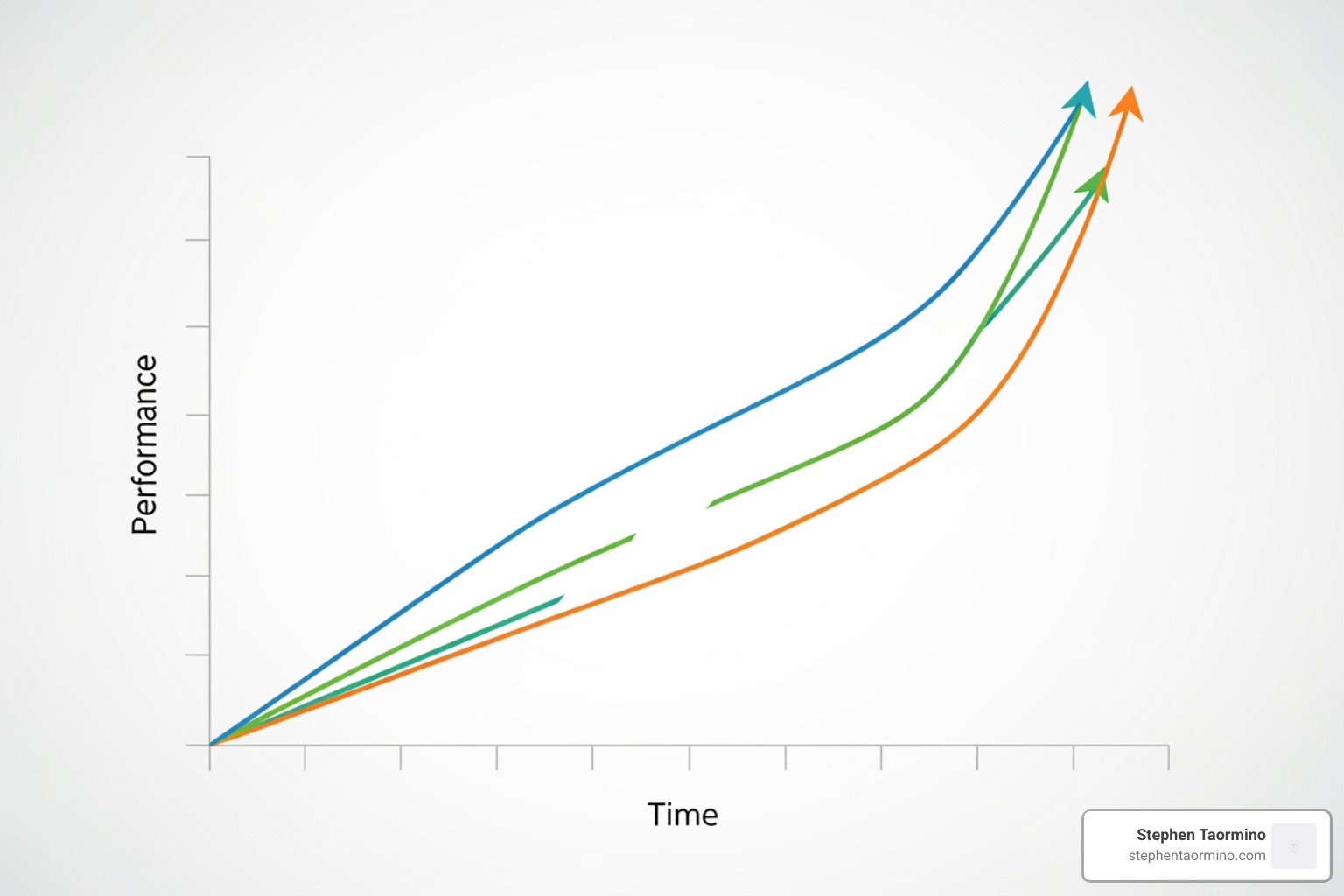
Investing in an ai powered customer engagement tool drives tangible business outcomes, impacting everything from customer satisfaction to operational costs. The return on investment is significant because AI addresses the two biggest drains on resources: manual labor and lost opportunities due to slow response times.
The key benefits include:
- Improved Customer Retention: Hyper-personalized experiences and proactive support make customers feel understood and valued, which is the foundation of long-term loyalty.
- Increased Engagement: AI chatbots and personalized communication lead to more frequent and meaningful interactions, keeping your brand top-of-mind.
- Higher Conversion Rates: By anticipating needs and tailoring offers, AI effectively guides customers toward purchase, reducing the “abandoned cart” phenomenon.
- Improved Agent Performance: AI acts as a powerful assistant, equipping human agents with the right information and tools to solve problems on the first try.
- Operational Efficiency: Automating routine tasks frees teams to focus on strategic initiatives that actually grow the business rather than just maintaining it.
- Cost Savings: Reducing manual workload and optimizing resource allocation directly contributes to a healthier bottom line, often paying for the technology within the first year.
Boosting Customer Retention and Loyalty
Retaining customers is more cost-effective than acquiring new ones, and an ai powered customer engagement tool is a champion in this arena. AI fosters loyalty by understanding and responding to individual needs with a level of precision that humans simply cannot match at scale.
- Proactive Support: AI can flag potential issues before they escalate, allowing businesses to prevent frustration and churn. For example, if a shipping delay is detected, the AI can automatically notify the customer and offer a discount code.
- Personalized Communication: Custom messages and offers make customers feel seen, reinforcing their connection to the brand and increasing the Lifetime Value (LTV) of each user.
- Understanding Customer Sentiment: AI-powered sentiment analysis allows for rapid response to negative experiences and amplification of positive ones, ensuring that your brand reputation remains intact.
- Loyalty Program Optimization: AI can identify the most effective rewards for individual customers, maximizing program impact and ensuring that rewards are actually relevant to the recipient.
Organizations using AI can see up to a 30% boost in customer retention rates. For a deeper dive into strategies that leverage AI, check out AI-Driven Customer Engagement Solutions.
Improving Agent Performance and Efficiency
AI doesn’t replace agents; it empowers them to be more effective and engaged. By removing the drudgery of repetitive tasks, AI allows human workers to focus on what they do best: empathy and complex problem-solving.
- Automating Repetitive Tasks: AI handles routine inquiries and data entry, freeing agents for high-value interactions that require a human touch.
- Real-Time Agent Coaching: Advanced AI tools can listen to live calls and provide agents with real-time prompts, knowledge base articles, and even suggestions for the next best action.
- Sentiment Analysis: AI detects a customer’s emotional tone, alerting agents to frustration so they can adapt their approach and de-escalate tense situations.
- Reducing Handle Time: With instant access to information, agents can resolve issues much faster, with some tools reducing handle time by up to 80%.
- AI Co-pilots: These assistants help agents steer complex systems, find information, and draft responses, ensuring consistency across the entire support team.
- Knowledge Base Access: AI ensures agents have immediate access to the most up-to-date information, eliminating the need for customers to wait while an agent “checks with a supervisor.”
By offloading busywork and providing intelligent assistance, AI transforms the agent experience, leading to higher job satisfaction and better customer service.
A Comparative Look at the Top AI Powered Customer Engagement Tool Categories
The market for an ai powered customer engagement tool is diverse, with platforms catering to different business needs. Understanding these categories helps pinpoint the right solution for specific challenges, whether you are a small startup or a global enterprise.
All-in-One Platforms for Unified Customer Journeys
These platforms act as the central nervous system for all customer interactions, bringing marketing, sales, and service functions under one roof. They are ideal for businesses looking to eliminate the friction and lost context that occur when teams switch between disparate systems.
- Best for: Businesses seeking a unified view of the customer across all departments. They excel at orchestrating complex customer journeys and ensuring consistent messaging across the entire lifecycle.
- Key Features: Look for platforms that bridge sales, marketing, and support with AI-powered automation, multi-step engagement flows, and personalized outreach at scale. Omnichannel communication management across email, chat, phone, and social media is also a critical feature.
These platforms are pivotal in connecting the dots across customer engagement platforms, ensuring every team member has the full context of a customer’s journey.
The best AI powered customer engagement tool for Service & Support Automation
For businesses where customer service is a critical differentiator, specialized tools focus on streamlining support operations, enhancing agent capabilities, and providing rapid, accurate resolutions.
- Best for: Helpdesks, call centers, and organizations with high volumes of customer inquiries that need efficient, scalable, and intelligent support solutions.
- Key Features: These tools create smooth, resolution-focused experiences with omnichannel support augmented by AI. Their AI agents and co-pilots can handle a high percentage of routine inquiries while assisting human agents, significantly improving efficiency. Look for features like AI-powered voice analytics, automated ticketing, and real-time agent coaching.
Specialized Tools for Mobile & Cross-Channel Messaging
In a mobile-first world, reaching customers on their preferred channels with timely, relevant messages is paramount. These tools excel at orchestrating complex, personalized messaging campaigns that feel native to the mobile experience.
- Best for: Mobile-first brands, e-commerce businesses, and companies that rely heavily on real-time, targeted communication across various digital channels like SMS and WhatsApp.
- Key Features: These platforms specialize in streaming data and AI-powered decisioning to optimize the channel, content, and timing for each user. Native integration with email, SMS, push notifications, and other messaging apps is essential for true multichannel marketing and journey orchestration.
Choosing Your Co-Pilot: Key Features and Implementation Strategy
Selecting the right ai powered customer engagement tool is a strategic decision. It’s about finding a solution that aligns with your goals, integrates with your existing systems, and can scale with your growth. This requires careful consideration of key features and a robust implementation strategy, a vital step in your broader digital transformation strategy.
Essential Features to Look For in an AI Powered Customer Engagement Tool
When evaluating platforms, look for a suite of capabilities that deliver intelligent and personalized customer interactions without adding unnecessary complexity to your tech stack.
- Omnichannel Capabilities: The tool must manage interactions across all channels—email, chat, social media, phone—to provide a unified customer view and prevent data silos.
- Natural Language Processing (NLP) and Sentiment Analysis: Advanced NLP allows AI to understand customer intent, while sentiment analysis detects emotional cues for more empathetic responses.
- Predictive Analytics: The ability to anticipate customer needs, identify churn risks, and pinpoint sales opportunities is crucial for proactive engagement.
- Integration with CRM and Other Systems: The tool must integrate with your existing CRM, marketing automation, and e-commerce platforms to ensure a single source of truth.
- Robust Reporting and Analytics: Comprehensive dashboards are vital to measure performance, identify trends, and optimize strategies based on real-world data.
- Scalability: The platform must be able to grow with your business, handling increasing volumes of data and interactions without a degradation in performance.
- No-Code Customization: The ability to customize AI behaviors and workflows without needing a developer empowers your team to tailor the tool to your brand voice quickly.
Overcoming Implementation and Data Security Problems
Even the best tool can fall short without careful planning. Here are common problems and how to clear them:
- Data Migration: Moving existing data can be complex. We recommend a thorough data audit and cleansing process before migration to prevent “garbage in, garbage out.” Ensure your data is structured in a way that the AI can actually use it.
- System Integration: Prioritize platforms with robust, well-documented APIs and pre-built connectors. A phased integration approach can minimize disruption to your daily operations.
- Staff Training and Adoption: Invest in comprehensive training that shows how the tool makes your team’s jobs easier. Involve key members in the selection process to foster buy-in and reduce resistance to change.
- Data Privacy and Security: With AI relying on customer data, security is paramount. Review a vendor’s security certifications (e.g., SOC 2 compliance) and privacy policies. The tool should offer robust data governance, encryption, and anonymization features. We also advocate for transparency with customers about how AI is used to build trust.
The Future is Now: Trends and Advancements in AI Engagement
The landscape of an ai powered customer engagement tool is evolving at lightning speed. As we look ahead, several exciting trends are shaping the future of how businesses connect with their customers. These advancements are critical for staying competitive, especially as 65% of businesses plan to expand their use of AI in customer experience over the next year.
- Hyper-Personalization: Moving beyond segments to truly individualized experiences where AI predicts the unique context of each customer in real-time, adjusting the entire user interface based on their preferences.
- Autonomous Agents: AI agents that can not only understand context but also execute multi-step tasks autonomously, such as processing a refund or re-routing a shipment, learning from each interaction.
- Generative AI in Content Creation: Generative AI will play a larger role in automatically creating personalized marketing copy, product descriptions, and email responses at scale, maintaining brand voice while increasing output.
- Advanced Conversational AI: More sophisticated, human-like conversations from chatbots capable of understanding complex queries, expressing empathy, and even using humor when appropriate.
- Increased Automation: AI will automate more of the customer journey, from lead qualification and onboarding to support and retention, allowing humans to focus on high-level strategy.
- Focus on Data Privacy and Explainable AI (XAI): A stronger emphasis on transparent data handling and XAI, which allows businesses to understand why an AI made a particular decision, will build trust with both regulators and consumers.
These advancements are rapidly becoming integral to competitive business strategies, reflecting broader digital marketing industry trends.
Frequently Asked Questions
When we discuss the power of an ai powered customer engagement tool, certain questions consistently arise. Let’s tackle the most common ones to help you navigate this transition.
Do AI tools replace human agents entirely?
No. The best practice is a hybrid model. AI excels at handling repetitive, high-volume tasks, which frees human agents to focus on:
- Complex Issues: Problems requiring empathy, creative problem-solving, and nuanced understanding that AI cannot yet replicate.
- High-Value Interactions: Building relationships and handling strategic conversations that require a personal touch.
- Augmenting Agent Capabilities: AI acts as a co-pilot, providing real-time information and suggestions to make human agents more effective and confident.
AI doesn’t replace humans; it augments their capabilities, leading to higher job satisfaction and a better customer experience.
How do I measure the ROI of AI in customer service?
Measuring the return on investment (ROI) is crucial for justifying the spend. We typically look at a combination of metrics:
- Reduced Ticket Volume: AI deflects routine inquiries through self-service options, lowering the cost per interaction.
- Shorter Resolution Times: AI helps agents find information faster and automates parts of the resolution process.
- Higher Customer Satisfaction (CSAT) Scores: Efficient and personalized interactions often result in happier customers and better reviews.
- Agent Productivity Gains: Automating tasks allows agents to handle more complex cases without increasing headcount.
- Cost Savings Per Ticket: Reduced handle time and ticket volume directly lower operational costs.
- Increased Engagement and Conversion Rates: AI can significantly boost customer engagement and sales by providing timely, relevant offers.
Tracking these metrics provides a clear picture of your ROI. For more on this, explore our guide on marketing ROI best practices.
What’s the difference between a simple AI chatbot and a full AI engagement platform?
There’s a significant difference in scope and capability:
Simple AI Chatbot: Primarily focuses on conversational answers for FAQs within a single channel. It’s good for basic self-service but has limited integration and functionality.
Full AI Engagement Platform: Manages the entire customer relationship across all channels. It includes advanced features like predictive analytics, personalization engines, omnichannel orchestration, and agent-assist tools. It provides deep analytics and automates complex workflows, intelligently routing issues to the right human agent with full context.
Think of a simple chatbot as a helpful greeter, while a full AI engagement platform is the entire, well-orchestrated concierge service.
Conclusion: Embracing AI for a Competitive Edge
In today’s digital landscape, an ai powered customer engagement tool is a strategic imperative. These intelligent systems transform every facet of customer interaction, from personalized marketing to instant support. By unifying data, automating tasks, and providing invaluable insights, AI empowers businesses to build stronger relationships, drive efficiency, and open up unprecedented growth. The transition to AI is not just about technology; it is about evolving your business to meet the needs of a modern, digital-first consumer base.
The organizations that accept AI are not just adapting; they are actively shaping the future by delivering hyper-personalized experiences and anticipating customer needs. Our expertise lies in understanding the dance between technology, marketing psychology, and human behavior. We believe the most successful AI implementations augment human capabilities, allowing teams to focus on building meaningful connections that drive long-term value.
Ready to transform your customer interactions and gain a competitive edge? Explore customer engagement solutions with us and find how intelligent automation can redefine your business success.