French
  English
  Spanish
  German


Best way to host a webinar: The #1 Ultimate Guide
Why Webinars Are Essential for Your Growth
The best way to host a webinar involves a strategic approach covering planning, promotion, engagement, and post-event analysis. Webinars are powerful tools for generating leads, boosting brand awareness, and educating your market. Mastering the entire webinar lifecycle is key to open uping their full potential.
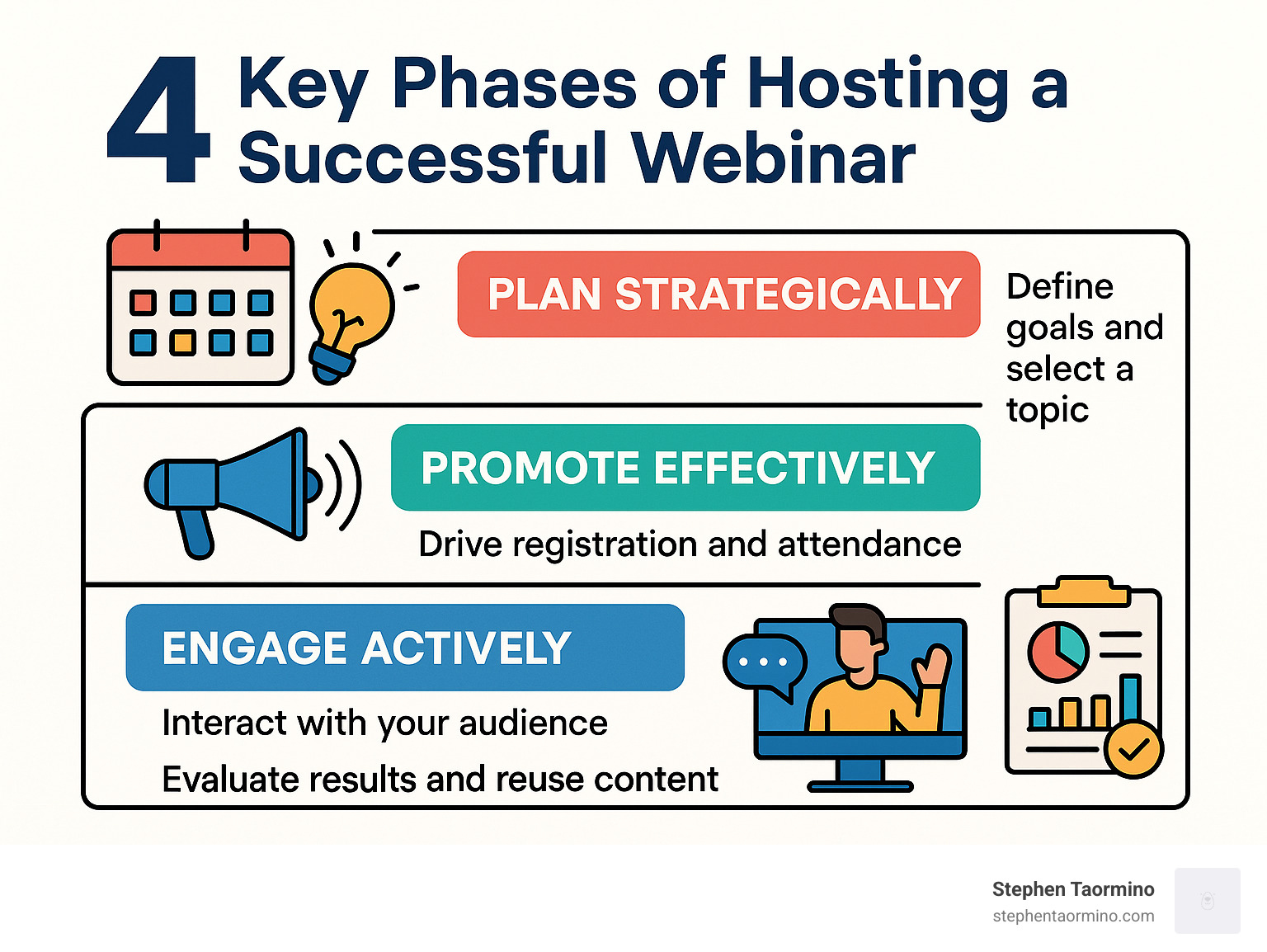
To host a successful webinar, focus on these four core phases:
- Plan Strategically: Define clear goals, understand your audience, and select a compelling topic.
- Promote Effectively: Use an optimized registration page and diverse channels to maximize attendance.
- Engage Actively: Deliver valuable content and encourage interaction during the live session.
- Analyze & Repurpose: Measure success with key metrics and extend your content’s reach by repurposing the recording.
I’m Steve Taormino, a professional speaker and CEO of a leading marketing and communications firm. I’ve spent decades leveraging human behavior and digital strategies to drive growth. My expertise in the best way to host a webinar comes from helping organizations worldwide connect deeply with their audiences through powerful digital communications.
Phase 1: Strategic Planning for a Winning Webinar

The foundation of a successful webinar lies in meticulous strategic planning. This phase is where you define your “why” and “for whom,” ensuring your efforts are targeted and impactful.
First, articulate your webinar goals. Are you aiming for lead generation, brand awareness, audience education, or product adoption? Your goal influences your content, format, and promotional strategy.
Next, understand your target audience. What are their pain points and interests? Research this using search trend tools, surveying customers, or tapping into online forums to identify relevant questions. The more you know your audience, the better you can tailor your content. With your audience in mind, select a compelling topic that offers genuine value and leaves attendees feeling empowered.
Finally, determine the webinar format. Common formats include:
- Presentations: Ideal for focused, expert-led content.
- Panel Discussions: Great for exploring multiple perspectives.
- Expert Interviews: A conversational approach to complex subjects.
- Product Demos: Perfect for showcasing features in action.
- Training Workshops: Highly interactive and focused on skill-building.
Consider incorporating guest speakers, as they can be a main attraction, bringing unique insights and a wider audience.
Choosing a Topic and Format That Resonates
Choosing the right topic and format is paramount. Your content must be informative and engaging. For a complex subject, an interactive workshop may be more effective than a passive presentation. Here’s a quick look at some common webinar formats and their advantages:
| Format | Pros | Cons |
|---|---|---|
| Presentation | Direct delivery of information, easy to control, good for foundational topics. | Can be one-sided, less interactive if not planned well. |
| Panel | Diverse perspectives, lively discussions, attracts multiple audiences. | Requires strong moderation, risk of one speaker dominating. |
| Q&A (AMA) | Highly interactive, directly addresses audience needs, builds rapport. | Requires a confident host, can go off-topic, depends on audience participation. |
| Workshop | Hands-on learning, practical skill development, high engagement. | Time-consuming to prepare, may need smaller audience sizes. |
When selecting speakers, aim for subject matter experts who are also excellent communicators. Their ability to connect with the audience is as important as their expertise.
The Science of Scheduling: When to Go Live
Timing is crucial for maximizing attendance and engagement. Based on industry statistics, the best days to host events are Wednesdays and Thursdays, which see the highest attendance rates. Avoid Mondays, when attendees are catching up, and Fridays, when they are winding down. Also, steer clear of holidays.
The optimal time is typically 11 AM to 2 PM in your audience’s primary time zone. This window avoids morning rushes and afternoon fatigue. For global audiences, 10 AM PT (1 PM ET) is a strong alternative.
Keep live sessions concise to maintain engagement. Most successful webinars are 30-60 minutes long. A 45-minute presentation followed by a 15-minute Q&A is a proven structure. Webinars over 60 minutes often see a significant drop-off in attendance.
To cover multiple time zones, you can host multiple live sessions or offer on-demand access to the recording. Automated webinars are another option, as they can be available “just-in-time” for viewers and achieve higher attendance rates.
Phase 2: Promotion and Setup to Maximize Attendance
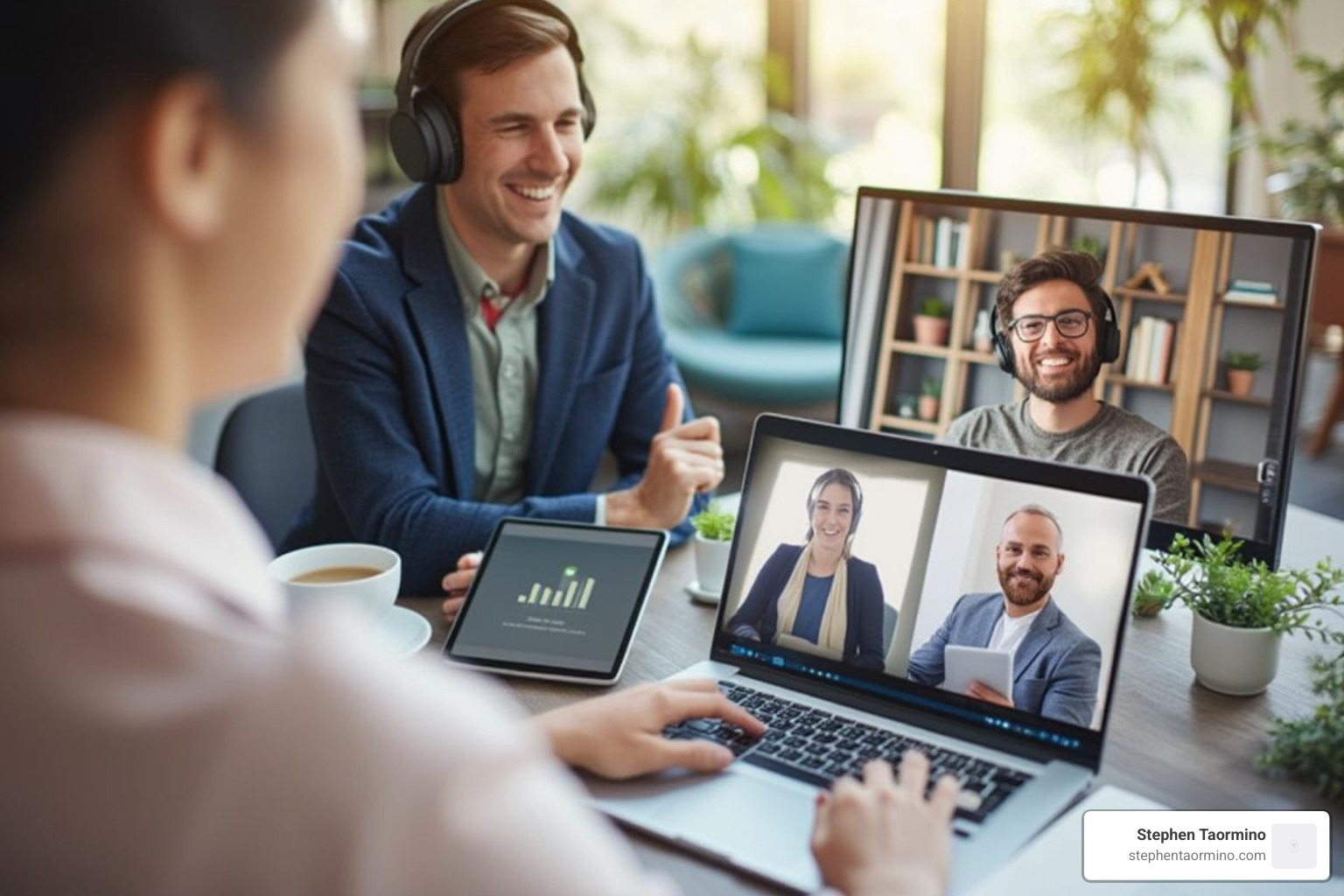
Once planned, your webinar needs effective promotion to maximize attendance. To master the best way to host a webinar, a robust, multi-channel promotion plan is non-negotiable. Start promoting at least a month in advance to build anticipation, even though most people register in the final week.
The heart of your strategy is a well-designed registration page. It should clearly state the value proposition, highlight key takeaways, and feature compelling calls-to-action. Including presenter bios and photos builds trust.
Email marketing is a reliable way to drive registrations. Send initial invitations and use automated reminders 24 hours and one hour before the event to reduce no-shows. Social media promotion is also vital. Create a unique hashtag and share engaging content like teasers and speaker highlights on platforms like LinkedIn, X (formerly Twitter), and Facebook. Combine organic efforts with paid advertising to expand your reach. You can also leverage content marketing by writing blog posts related to your topic that drive readers to your registration page.
Crafting a Promotion Strategy and Pre-Webinar Checklist
A dynamic promotion strategy is key to filling your virtual room. Set up an email automation sequence with an initial invitation, content sneak peeks, and timed reminders. On social media, create a consistent schedule of varied content, such as speaker quotes or short video teasers. If you have guest speakers, engage in cross-promotion with partners to leverage their networks.
Consider an early bird promotion with exclusive content or a discount to reward early registrants. Intensify your efforts in the last-week push with urgent calls-to-action, as this is when the majority of registrations occur.
Beyond promotion, a solid technical setup is essential. Choose a webinar platform that supports your audience size and goals. Look for key features like:
- Registration management
- Real-time engagement tools (polls, Q&A, chat)
- Content sharing (slides, videos, handouts)
- Branding options (custom logos and backgrounds)
- Reporting & analytics
- Automation for follow-ups and simulated live events
Your presentation slides should be visually engaging, prioritizing impactful visuals over dense text. Use contrasting colors and clear fonts to make key points stand out.
Finally, practice makes perfect. Conduct thorough dry runs with all speakers to get familiar with the platform, ensure smooth transitions, and test all audio and video equipment. A wired internet connection is always preferable for stability. Brief speakers on the format and audience expectations to ensure they deliver a confident, engaging presentation.
Phase 3: The Host’s Playbook for Live Engagement
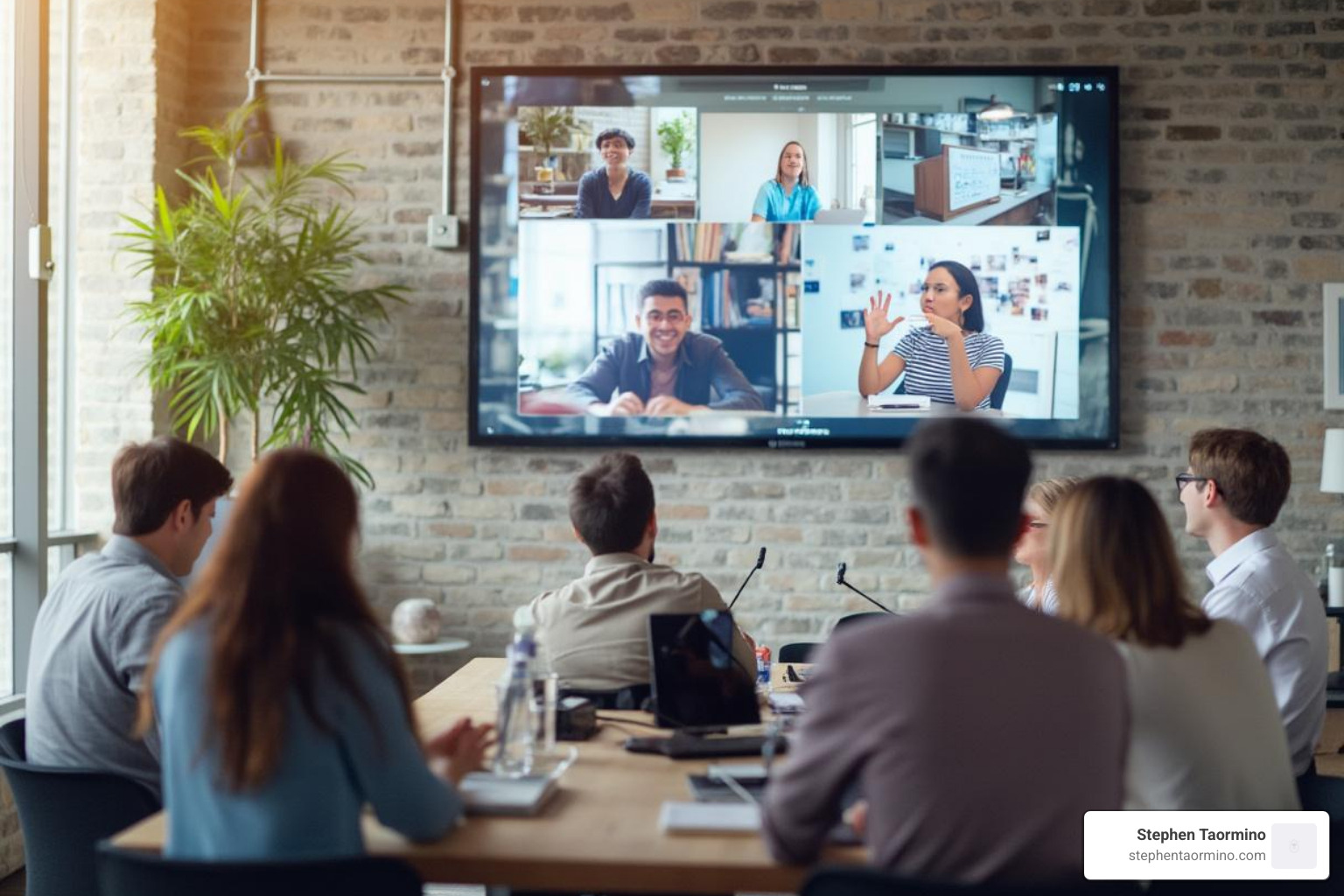
The best way to host a webinar shines during the live event. As the host, you are the brand ambassador, master of ceremonies, and guide. Your energy sets the tone, and your ability to connect with the audience through the screen is critical for success. You are the bridge between your content and your audience, creating an environment where learning and engagement can flourish.
How to Be an Unforgettable Host
The first few minutes are crucial for establishing trust. Start with your camera on and greet people warmly as they join. To build rapport while waiting for attendees, ask an icebreaker question in the chat, like “Where are you joining from today?”
Once you begin, clearly set expectations by providing an agenda overview, explaining the session length, and detailing how to participate. When introducing speakers, highlight why they are the right person to share this knowledge, making them relatable.
Time management is a key responsibility. Keep an eye on the clock and gently guide speakers if they run long to respect your audience’s schedule. Your energy and enthusiasm are contagious. Smile, use vocal tone variations to emphasize points, and maintain good eye contact with your camera. For more on influencing audiences, explore our resources on marketing psychology.
Proven Strategies to Keep Your Audience Engaged
Keeping an audience engaged requires intentional interactive elements. Use a variety of techniques to keep them hooked.
- Live Polls: Use polls to wake up the audience, gather valuable insights, and make everyone feel heard.
- Q&A Sessions: Don’t save all questions for the end. Acknowledge them throughout to create a conversational feel.
- Chat Moderation: A lively chat creates energy. Respond to comments, give shout-outs, and encourage interaction.
- Gamification: Add fun elements like hiding an emoji in a slide or offering small prizes for correct answers.
- Resource Sharing: Provide instant value by making handouts and tools available for download during the session.
- Storytelling: Make information memorable by sharing customer success stories, personal experiences, or case studies.
- Visual Engagement: Use high-quality images, short video clips, and varied slide designs to keep eyes active.
The Best Way to Host a Webinar: Concluding with Impact
Your conclusion is your final chance to make an impact. Start by summarizing key takeaways, reinforcing how the insights can help attendees solve their problems. Your call-to-action (CTA) should feel like a natural next step, whether it’s booking a consultation or downloading a resource.
Announce next steps by letting people know when they’ll receive the recording and other resources. Always thank the audience and speakers genuinely for their time. End on a high note with energy and optimism, leaving people inspired. Finally, encourage attendees to complete a quick post-webinar survey to gather invaluable feedback for future events.
Phase 4: Post-Webinar Actions for Lasting Impact

The work isn’t over when the live event ends. The post-webinar phase is crucial for lead nurturing, measuring success, and extending the life of your content. This is how you turn a successful live event into lasting impact.
The Follow-Up: Turning Attendees into Advocates
A prompt follow-up strategy solidifies connections. First, send the webinar recording to all registrants within 24 hours. Many who couldn’t attend live will watch it later.
Send thank you emails to all attendees with links to the recording, slides, and any other resources. For your most engaged participants, consider a personalized follow-up based on their specific questions or poll responses.
Analyze survey feedback to understand what worked and how to improve. For sales-focused webinars, ensure a seamless sales team handoff for qualified leads, providing them with engagement data. Finally, integrate this data into your lead scoring system to prioritize follow-up efforts.
Measuring Success and Repurposing Content for Broader Reach
To understand your webinar’s impact, track several Key Performance Indicators (KPIs). Monitor the attendance rate, engagement metrics (poll participation, Q&A activity, viewing time), and conversion rates (registrants to leads to sales). Calculating the ROI (Return on Investment) will prove the value of your efforts.
Your webinar’s value doesn’t end with the live session. Content repurposing maximizes its reach. Host the full recording on your website as gated content for future lead generation. You can also:
- Create blog posts from the transcript.
- Extract short, impactful social media clips.
- Turn key data into infographics and whitepapers.
- Offer the webinar as an on-demand asset to create an evergreen resource.
This comprehensive post-webinar approach is a key part of the best way to host a webinar, ensuring your event continues to deliver value long after it’s over.
Frequently Asked Questions about Hosting Webinars
Here are answers to some common questions about the best way to host a webinar.
What is the ideal length for a webinar?
The sweet spot for a webinar is between 30 to 60 minutes. This is enough time to deliver valuable content without losing your audience’s attention. A great structure is a 45-minute presentation followed by a 15-minute Q&A session. Webinars that exceed 60 minutes typically see a significant drop-off in engagement.
What are the most critical roles for a webinar team?
For a smooth experience, it’s helpful to define key roles, even for a small team.
- The Host: The master of ceremonies who sets the tone, introduces speakers, manages time, and facilitates audience engagement.
- The Presenter(s): The subject matter experts who deliver the core content and share valuable information.
- The Moderator: A behind-the-scenes role to manage the chat, filter Q&A, and assist attendees with minor technical issues.
- The Technical Assistant: An optional but recommended role to handle any technical glitches with the platform, ensuring the host can focus on the content and audience.
How far in advance should you promote a webinar?
Start your webinar promotion at least 3 to 4 weeks in advance. This provides ample time to build awareness and excitement. While a large number of registrations often occur in the final week, early promotion is vital for creating initial buzz and getting on people’s radars. A consistent promotion schedule with a final push in the last few days is the most effective strategy for ensuring a great turnout.
Conclusion
Mastering the best way to host a webinar is about embracing a complete journey, not just a technical checklist. Success is built on four foundational pillars working together.
- Strategic planning sets the stage by defining clear goals and understanding your audience.
- Effective promotion transforms a great idea into a well-attended event through early and consistent effort.
- Live engagement creates a memorable experience when the host facilitates meaningful interaction with enthusiasm.
- Post-webinar actions build lasting relationships by following up promptly and repurposing content to extend its value.
The beauty of this approach is the potential for continuous improvement. Each webinar is an opportunity to learn more about your audience and refine your skills.
As someone who has spent decades leveraging human behavior and digital strategies, I’ve seen that the best way to host a webinar combines technical excellence with genuine human connection. When we focus on authentic relationship-building, every webinar becomes a chance to not just share knowledge, but to inspire action and foster meaningful connections. The most successful organizations view each event as part of a larger conversation with their community.
Ready to dive deeper into the strategies that drive real business growth? Explore more expert marketing insights and videos to see how marketing psychology can lift your communication strategy.