French
  English
  Spanish
  German


Why Engaging Content Creation Is the Skill Every Leader Needs Right Now
Engaging content creation is the process of producing material — written, visual, or video — that earns attention, builds trust, and compels your audience to keep watching, reading, or sharing.
Here’s a quick-start breakdown of what it takes:
- Know your audience — understand their pain points, questions, and daily rhythms
- Lead with a hook — the first 1–3 seconds (or first line) determine whether anyone stays
- Tell a story — emotional connection keeps people engaged far longer than facts alone
- Use visuals and video — visual content consistently outperforms text-only posts across every major platform
- Be authentic — audiences in 2026 can spot a polished ad instantly and will scroll right past it
- Repurpose strategically — one strong piece of content can live across five or more platforms
- Measure and iterate — track shares, saves, and completion rates, not just likes
Here’s a sobering reality: according to research from Nielsen Norman Group, the average person reads only 20–28% of any web page. That means most of your content is being skimmed, skipped, or ignored entirely — before you’ve had a chance to make your point.
When attention is the scarcest resource, content that doesn’t immediately connect gets left behind. It doesn’t matter how good your product is, how strong your team is, or how clear your strategy is. If your content doesn’t stop the scroll, start the conversation, and build the relationship — it’s not working hard enough for you.
The good news? Engaging content isn’t luck. It’s a learnable system.
I’m Steve Taormino — President & CEO of CC&A Strategic Media, marketing psychologist, and strategist with over 25 years of experience helping organizations worldwide grow through smarter communications. Engaging content creation sits at the heart of everything I teach, and in this guide I’ll walk you through the exact frameworks, tools, and mindset shifts that turn forgettable content into content that actually moves people.
Easy engaging content creation glossary:
What is Engaging Content and Why Does It Matter?
At its core, engaging content is material that arrests attention and compels your audience to keep reading, watching, or listening. It doesn’t just broadcast information; it invites a two-way dialogue. It speaks to the audience, not at them. If you wouldn’t want to consume your own content, your audience certainly won’t either.
When we create content that truly engages, we aren’t just filling a publishing schedule. We are building meaningful, long-term relationships. This connection builds brand awareness, establishes undeniable authority, and nurtures prospects through a robust marketing funnel. Over time, this consistent engagement improves search engine optimization (SEO) performance and converts casual visitors into loyal customers.

In 2026, the digital landscape is noisier than ever. If your content is bland, it simply becomes digital wallpaper. To survive the modern attention economy, you need to future-proof your approach by understanding how human psychology dictates online behavior. For a deeper look at navigating these shifting tides, check out our guide on The Non-Boring Guide to Future-Proof Marketing.
The Psychology of Engaging Content Creation: Hooking Your Audience
Why do some pieces of content explode across the internet while others fail to get a single click? The answer lies in applied neurochemistry.
Human brains are naturally wired for novelty, threat detection, and emotional resonance. If your opening frame or first sentence doesn’t immediately spike dopamine or cortisol, the user’s thumb will scroll on. In fact, data shows that 73% of viewers decide whether to keep watching a video within the first three seconds.
To capture this fleeting attention, we must design content using the “Emotional Arousal” framework. This means triggering an intense, immediate reaction—whether that reaction is curiosity, shock, humor, or awe. According to research, high emotional arousal bypasses our logical filters and forces us to pay attention.
To help systematize this process, creators rely on proven psychological frameworks. In The Content Creator’s Playbook, several viral hook archetypes are outlined that leverage these exact triggers:
- The Fortune Teller: Teasing tomorrow’s headlines to tap into curiosity and anticipation.
- The Experimenter: Showing real-world tests to satisfy the desire for proof (“Show, don’t tell”).
- The Teacher: Resolving a specific, painful problem in under 60 seconds.
- The Investigator: Exposing hidden landmines or industry secrets to trigger threat-detection instincts.
- The Contrarian: Weaponizing intelligent disagreement to challenge the status quo and spark dialogue.
By leading with one of these archetypes, you create a powerful “pattern interrupt” that stops the scroll.
Understanding Audience Needs and Pain Points
Before you can trigger the right emotions, you have to know what your audience actually cares about. This requires moving beyond basic demographics and diving into behavioral psychographics.
A highly effective way to map this is through the expanded User Needs Model. Originally developed by the BBC and updated to include eight core user needs, this framework helps us categorize exactly why an audience consumes content. The eight needs include:
- Update me: Basic, factual news (historically high in volume, but lowest in actual engagement).
- Keep me on track: Practical, step-by-step guidance.
- Help me: Direct problem-solving.
- Connect me: Cultivating community and shared experiences.
- Inspire me: Uplifting, aspirational stories.
- Educate me: Deep-dive explanations.
- Give me perspective: Analytical, opinion-based pieces.
- Divert me: Pure entertainment and distraction.
To identify which of these needs your audience prioritizes, we must combine qualitative feedback with quantitative research. Use social media listening, conduct customer surveys, review client feedback, and analyze your search query data. When you align your content formats with these specific needs, your engagement rates will naturally climb.
The Power of Storytelling in Engaging Content Creation
Facts tell, but stories sell. If you want your content to stick, you must wrap your insights in a narrative structure.
A compelling story creates an emotional bridge between your brand and your audience. Instead of simply presenting a case study as a dry list of results, frame it as a journey: introduce a relatable character (your client), define the conflict (the business blocker), showcase the guide (your team), and highlight the triumphant resolution.
This narrative arc transforms standard marketing collateral into an emotional experience. If you are struggling to find your brand’s unique narrative voice, collaborative workshops are a fantastic way to uncover those hidden stories. Learn how to extract your team’s best insights in our guide, From Bland to Brand: How Workshops Can Transform Your Narrative.
Best Practices for Visuals, Videos, and Multimedia
Visuals are no longer optional. Across every social platform, posts featuring high-quality visuals consistently earn more clicks, shares, and comments than text-only updates. Even simple tweaks, like adding relevant emojis to your captions, can significantly boost audience engagement by injecting personality and visual breaks into the text.
When it comes to video, production standards have shifted. Audiences in 2026 value presence and clarity over overly polished, commercial-grade production. A study by Wistia revealed that videos featuring a presenter on screen within the first 10 seconds saw a 47% higher completion rate.
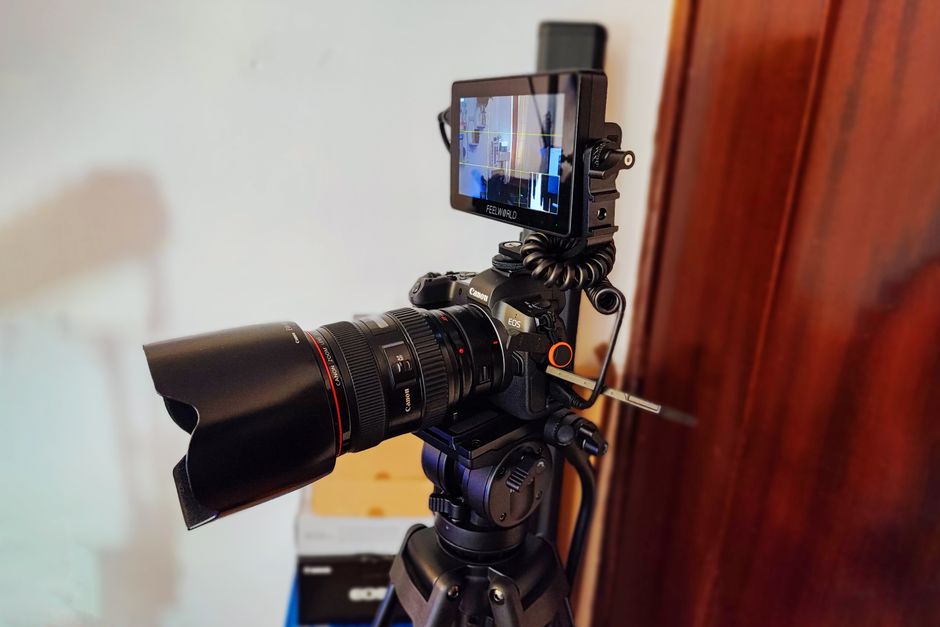
To maximize your video engagement, keep these production fundamentals in mind:
- Prioritize audio: Viewers will tolerate average video quality, but bad audio will cause them to leave instantly.
- Use natural light: Position yourself facing a window to get clean, professional lighting without harsh glares.
- Pace yourself: When speaking on camera, slow your delivery down by roughly 20% compared to your normal conversational pace. This projects confidence and makes your content easier to digest.
- Leverage native trends: On platforms like TikTok, audio is a massive driver of reach. In fact, 68% of users remember a brand better when it features songs they like in its videos, and 58% feel a stronger connection to the brand.
For a comprehensive look at what makes media assets stand out, read the breakdown on What makes content scroll-stopping in 2026.
Balancing Authenticity, Creativity, and Brand Voice
With the rise of AI-generated content, authenticity has become a brand’s ultimate competitive advantage. Consumers are incredibly skilled at identifying corporate jargon and insincere marketing campaigns.
To build lasting trust, your content must feel human. This means sharing behind-the-scenes moments, owning up to mistakes, and expressing genuine opinions—even if they are slightly polarizing.
However, being creative and authentic doesn’t mean abandoning your brand guidelines. You must maintain brand voice consistency across all media channels. Whether a user reads a LinkedIn post, watches a short-form video, or browses your website, the core values, tone, and visual identity should remain unified. Discover how to balance these elements in our article on Brainy Branding: 7 Tactics That Actually Work.
Platform-Specific Strategies and the Content Flywheel
Different platforms require different approaches. A piece of content that thrives on LinkedIn will likely flop on TikTok if it isn’t properly adapted. Understanding the native culture of each platform is key to successful distribution.
| Platform | Core Audience Intent | Winning Formats | Key Engagement Strategy |
|---|---|---|---|
| Professional growth, industry insights | Text-only stories, PDFs, contrarian takes | Lead with strong opinion or data | |
| TikTok | Entertainment, discovery, trends | Native vertical video, trending sounds | High energy, immediate hook, informal tone |
| Lifestyle, aesthetic inspiration, community | Reels, Carousels, Stories | Visual pattern interrupts, community Q&As | |
| YouTube Shorts | Quick answers, search-adjacent learning | How-to guides, educational shorts | Front-load the core premise in 2 seconds |
Building a Compounding Content Flywheel
Creating unique content for every single platform from scratch is a recipe for creative burnout. Instead, successful brands build a self-reinforcing content flywheel.
The flywheel strategy allows you to take one long-form source recording (like a podcast or a detailed video presentation) and break it down into 25 to 40 platform-native assets (such as blog posts, short-form videos, carousels, and text updates).
[1 Long-Form Source Recording]
 │
 ├─► 3-5 Short Videos (TikTok/Reels/Shorts)
 ├─► 2-3 Written Posts (LinkedIn/X)
 ├─► 1 Detailed Blog Post (SEO)
 └─► 1 Newsletter Edition (Owned Email List)
However, a content flywheel is only a treadmill if you don’t own your audience. If you rely solely on social algorithms, you are renting your traffic. To build a true asset, you must implement an email-capture layer. By placing high-value lead magnets (like templates, checklists, or exclusive guides) across your distribution channels, you convert rented social reach into owned email subscribers.
Over a 12-month period, a consistent flywheel can turn millions of social views into tens of thousands of email subscribers—creating a highly profitable, independent marketing channel. Learn the exact mechanics of this system in The content flywheel: how to compound output without compounding effort, and map out your path to broader reach with our guide on Content Distribution Demystified: Your Roadmap to Wider Audiences.
Scaling with Distributed Creator Networks and UGC
As ad costs rise, brands are shifting away from traditional, highly polished influencer campaigns. Instead, they are building decentralized networks of User-Generated Content (UGC) creators.
By partnering with dozens of independent creators, brands can generate high volumes of native-looking content. Rather than posting everything from a single brand handle, these creators post on their own accounts or run dedicated, brand-aligned affiliate pages. This distributed approach creates a powerful organic feedback loop: it makes the brand appear to be everywhere at once, bypassing algorithmic limitations and building social proof at scale.
To see a real-world breakdown of this decentralized approach in action, explore How to Build a $11M UGC Content Machine in 2026: The Tabs Chocolate Playbook.
Data-Driven Decisions: Analytics and Content Engineering
While creativity drives content, data must guide it. Relying on creative intuition alone is a risky strategy. Instead, we must use analytics to understand what our audience actually responds to.
Modern content teams rely on advanced metrics like the Content Performance Indicator (CPI). CPI is an algorithmic score that measures real engagement—looking past superficial “likes” to focus on high-intent actions like saves, shares, and completion rates.
Analyzing these metrics weekly allows you to identify which hooks, topics, and formats perform best, so you can double down on what works and cut what doesn’t.
Furthermore, we can now apply software engineering principles to our editorial processes. By using advanced AI tools to automate repetitive tasks—like keyword research, formatting, and drafting initial outlines—we can free up our creative teams to focus on strategy and storytelling. You can read a fascinating case study on this process in How I Do Content Engineering with Claude Code.
Overcoming the Challenges of Engaging Content Creation in 2026
The modern content marketer is facing a difficult challenge: 67% of marketers are expected to do more with fewer resources, and 40% are struggling to outsource due to tight budgets.
To survive this resource squeeze, we must build highly efficient internal workflows. This means using AI as an ideation accelerator, batch-producing our video content using structured shot lists, and building templated design systems.
By streamlining the mechanical parts of production, you can focus your energy on the psychology, strategy, and relationship-building aspects of your campaigns. For a step-by-step framework on building a high-impact, resource-efficient marketing plan, read our comprehensive guide, Mastering Digital Marketing Strategy Creation: A Step-by-Step Guide with Real-World Examples.
Frequently Asked Questions about Engaging Content Creation
What is the difference between shareable content and viral content?
Viral content is an unpredictable outcome—it represents a piece of media that spreads rapidly across the web, often driven by algorithmic luck or a fleeting trend. Shareable content, on the other hand, is a deliberate design quality.
You cannot guarantee virality, but you can engineer shareability by designing your content around human psychology. People share content that reinforces their identity, offers practical value to their peers, or strengthens their social relationships (a concept known as relationship utility).
How do you write a hook that stops the scroll?
A scroll-stopping hook must create immediate pattern disruption within the first 1.7 to 3 seconds. To achieve this:
- Lead with the tension: Never start with an introduction or background context. Open directly with the problem, mystery, or contrarian statement.
- Use on-screen text: Since many users watch videos on mute, clear, bold on-screen captions in the first frame are essential.
- Front-load your value: On search-adjacent platforms like YouTube Shorts, front-loading your core premise within the first 2 seconds can increase swipe-through rates by up to 38%.
How can AI tools be used ethically in content creation?
AI tools should be used as creative partners and productivity accelerators, not as a replacement for human judgment. Ethical AI usage involves using large language models (LLMs) to generate hook variations, structure scripts, or analyze data, while keeping a human editor firmly in control of the final output.
This ensures your content remains accurate, credible, and deeply aligned with your brand’s authentic voice, avoiding the generic, low-quality spam that algorithms are increasingly penalizing.
Conclusion
Creating engaging content isn’t about chasing temporary algorithms or shouting louder than your competitors. It is about understanding human psychology, building genuine connections, and delivering real value consistently.
By combining structured storytelling, smart multimedia production, and a data-driven distribution flywheel, you can transform your brand’s digital presence from bland to brilliant.
At CC&A Strategic Media, we specialize in helping leaders leverage marketing psychology and digital transformation to unlock real business growth. Whether you are looking to train your internal team, refine your brand narrative, or design a high-converting content engine, we are here to help you communicate with confidence and authority.
Ready to elevate your marketing strategy and inspire your organization? Explore Steve’s speaking availability and discover high-impact Digital Marketing Presentation Topics that will empower your team to master the art of connection.