
Why Motivational Speakers Matter More Than Ever
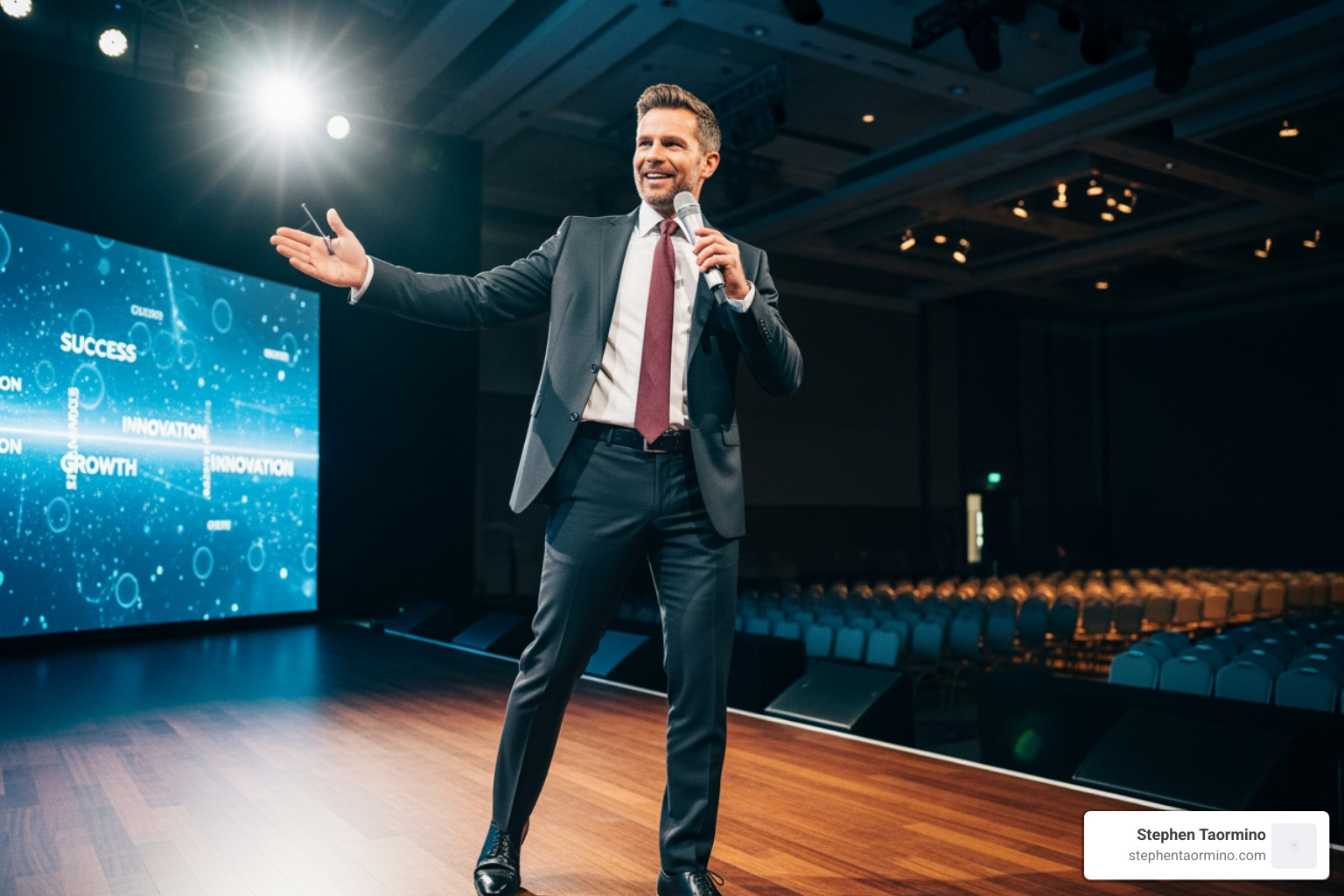
Motivational speakers are professionals who deliver speeches designed to inspire, challenge, and transform audiences through powerful storytelling and proven psychological techniques. Here’s what you need to know:
Quick Overview: What Motivational Speakers Do
- Primary Purpose: Inspire audiences to overcome challenges, achieve goals, and open up their potential
- Where They Speak: Corporate events, conferences, schools, trade shows, leadership summits, and virtual platforms
- Key Impact: Companies that hire motivational speakers see measurable boosts in employee engagement, morale, and productivity
- Common Topics: Leadership, resilience, change management, peak performance, innovation, and team building
- Speaker Types: Athletes, entrepreneurs, business leaders, authors, and change agents—each bringing unique expertise and experiences
The demand for motivational speakers has grown dramatically over the past century. What started with philosophical pioneers has evolved into a multi-million dollar industry. Today, the most sought-after speakers have empowered millions of people across the globe, changing thousands of audiences in dozens of countries.
But why do we need them? Because words have power. A single speech can shift perspective, reignite passion, and provide the mental framework people need to push through difficult times. Whether it’s a sales team that needs renewed energy, a leadership group navigating change, or employees feeling disconnected from their purpose, the right speaker at the right moment can be transformative.
The most effective motivational speakers don’t just deliver generic pep talks. They leverage psychological frameworks, share authentic personal stories of overcoming adversity, and provide actionable strategies that audiences can implement immediately. They understand that true motivation comes from connecting emotionally while providing practical tools for change.
As Steve Taormino, a professional keynote speaker and expert in marketing psychology and human behavior, I’ve spent 25+ years helping organizations understand what truly drives people to action. Throughout my career working with leaders worldwide, I’ve seen how the right motivational speaker can catalyze breakthrough moments that lead to measurable business results and lasting cultural change.
In this comprehensive guide, we’ll explore motivational speaking—from its historical roots to the techniques that make speeches memorable, and most importantly, how to find the perfect speaker who can deliver the inspiration your organization needs right now.
Similar topics to motivational speakers:
What is a Motivational Speaker and Why Do We Need Them?
At its core, a motivational speaker is someone who delivers speeches intended to motivate or inspire an audience. Think of it as a professional “pep talk,” but with far more depth, strategy, and impact. Their primary purpose isn’t just to entertain, but to challenge and often transform their listeners. They aim to shift perspectives, ignite passion, and equip individuals or teams with the mindset and tools needed to overcome obstacles and achieve their goals.
We’ve seen a significant boom in the motivation business, with companies increasingly recognizing the tangible benefits of bringing in external voices. As Marsha Gilbert noted in Ebony in 2002, the motivation business was already booming, highlighting how these speakers challenge and transform listeners of every creed and orientation. Why the motivation business is booming.
These dynamic individuals can deliver their powerful messages in a vast array of environments. We often see them at corporate events, addressing employees and leadership teams. But their reach extends much further, impacting students at schools and colleges, congregations in places of worship, government agencies, and attendees at large conferences, trade shows, summits, and community organizations.
The impact? Companies who bring in motivational speakers frequently see a correlated boost in employee engagement and morale. A revitalized workforce is often a more productive one, leading to improved company performance and a more positive working culture. Motivational speakers provide that external spark, a fresh perspective that can cut through internal challenges and reignite collective purpose.
The Evolution of Inspiration: A Brief History of Motivational Speakers
The concept of inspiring others through spoken word isn’t new; it has roots stretching back centuries. However, the modern phenomenon of the motivational speaker as a profession has a fascinating and relatively recent history.
In the 19th century, the Lyceum movement in the United States played a significant role, bringing lecturers, scientists, and social reformers to communities across the nation. These events were crucial for education and public discourse, laying some groundwork for public speaking as a means of influence.
The Pioneers Who Shaped the Profession
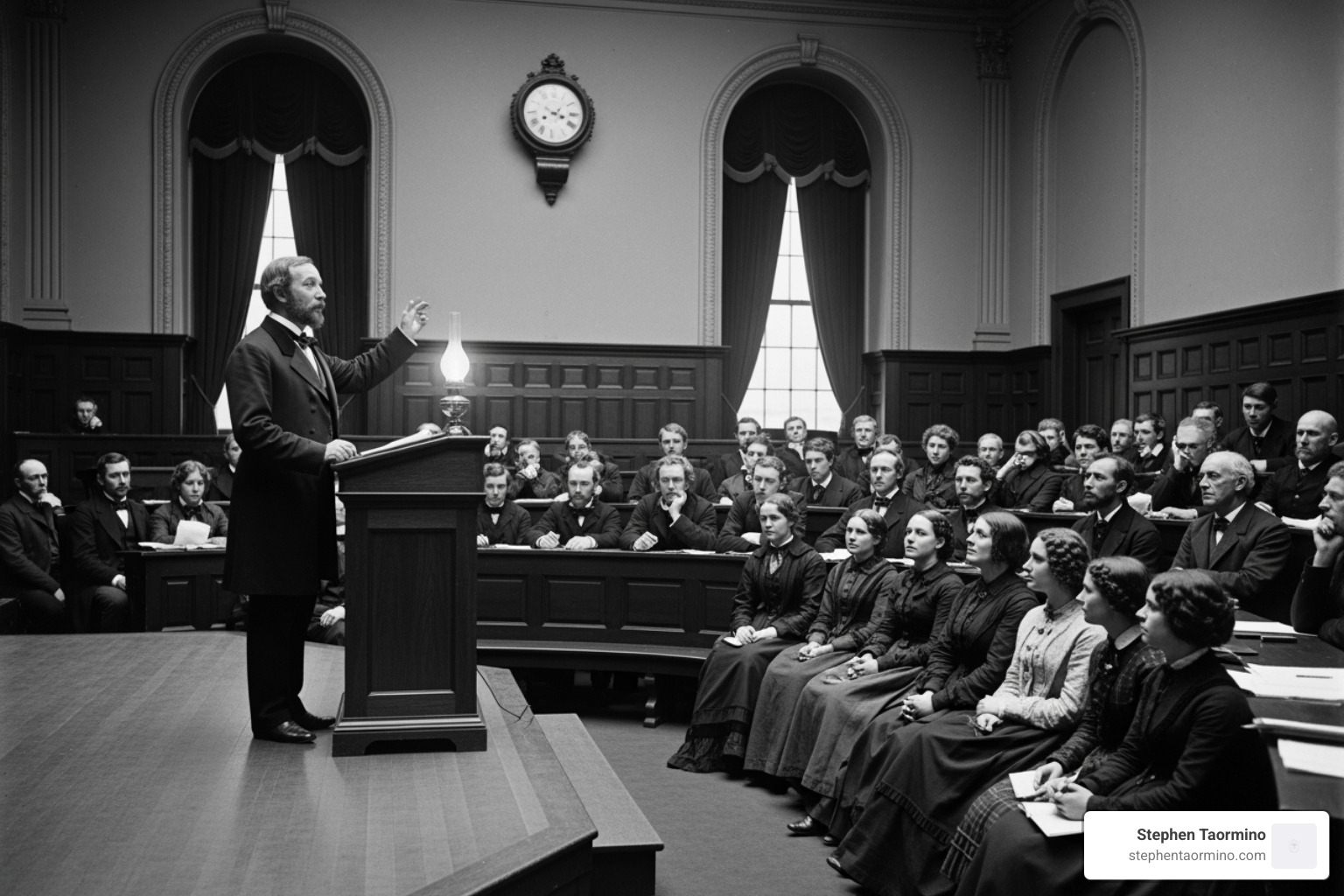
When we look for early figures who truly embodied the spirit of a motivational speaker, one name often surfaces: Ralph Waldo Emerson. As early as the mid-1800s, Emerson, a renowned essayist and poet, delivered lectures that championed individualism, self-reliance, and the power of positive thinking. His addresses, filled with profound philosophical insights, urged audiences to trust their inner voice and strive for personal growth. Some even consider him our first proto-motivational speaker. As Sanford Pinsker explored in The Virginia Quarterly Review, Emerson’s influence on American thought certainly paved the way for future inspirational figures. Was Ralph Waldo Emerson Our First Motivational Speaker?.
The early 20th century saw the rise of self-help literature, which profoundly influenced the trajectory of motivational speaking. One influential author spent decades researching successful individuals, culminating in a seminal work that established many core principles of achievement that are still used today. This was followed by another powerful voice, a pastor and author who popularized the concept of “positive thinking” with a bestselling book in 1952. He was one of the first to bring motivational ideas to live audiences on a grand scale, blending spiritual wisdom with practical psychological advice.
Later, other pioneers took these self-help and positive psychology ideas, combined them with compelling personal narratives, and created the modern business model for the professional speaker. By traveling extensively and presenting at conferences and seminars, they effectively invented the speaking circuit that many follow today. Their messages resonated deeply with audiences seeking guidance and inspiration.
From Self-Help Books to Global Stages
The transition from the written word to live performance was a critical step in establishing motivational speaking as a distinct career. What began as individual lecturers and authors sharing their insights evolved into a structured profession, especially with the rise of corporate training and large-scale conferences. Companies realized the value of bringing in external experts to energize their teams, foster specific skill sets, and cultivate a desired company culture.
The impact of technology and social media in recent decades has further transformed the landscape. Today’s motivational speakers aren’t confined to physical stages; they leverage digital platforms like webinars, podcasts, YouTube channels, and social media to reach a global audience. This evolution has democratized access to motivational content and allowed speakers to build massive followings, often engaging with millions of people at once.
The Anatomy of a Great Speech: Key Techniques and Theories
What makes a motivational speech truly impactful? It’s a blend of art and science, combining compelling delivery with a deep understanding of human psychology.
The Power of Personal Narrative
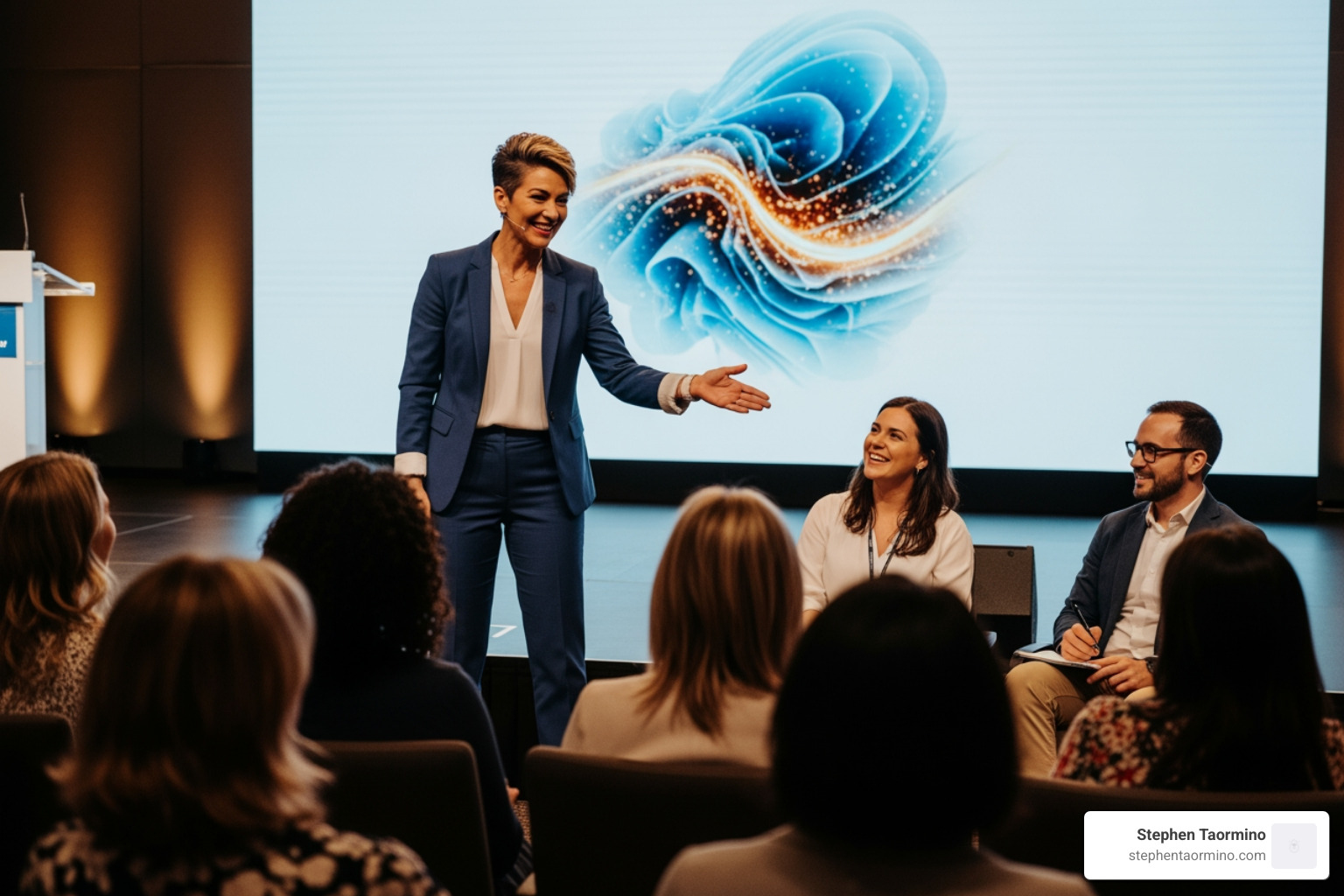
One of the most potent techniques motivational speakers employ is the art of storytelling, particularly leveraging personal experiences. We’ve all been moved by a well-told story, and for good reason. Personal narratives connect with an audience emotionally, building authenticity and trust in a way that facts and figures alone cannot. When a speaker shares their vulnerabilities, struggles, and triumphs, they become relatable, allowing listeners to see themselves in the journey. This connection is crucial for fostering belief and inspiring action.
For example, a speaker who has overcome significant personal adversity—such as a life-altering injury or illness—can masterfully weave these experiences into their talks. They become known as master storytellers because they understand how to structure a narrative for maximum impact, making their journey resonate with the diverse challenges their audiences face. Many top speakers use their own backgrounds and transformative moments to illustrate their principles.
Psychological Frameworks Used by Top Motivational Speakers
Beyond engaging stories, effective motivational speakers often draw upon established psychological theories to structure their messages and ensure they resonate deeply. As Daniel McGinn highlights in Harvard Business Review, there’s a real “Science of Pep Talks” that underpins effective communication. The Science of Pep Talks.
We can broadly categorize these into two types of theories:
- Content Theories: These focus on the inner workings and needs of an individual. Think of Abraham Maslow’s hierarchy of needs, which suggests people are motivated by fulfilling basic needs before moving on to higher-level ones like self-esteem and self-actualization. Frederick Herzberg’s two-factor theory, which distinguishes between motivators (like achievement and recognition) and hygiene factors (like salary and working conditions), also falls into this category. Motivational speakers often tap into these intrinsic needs, helping individuals understand what truly energizes them and keeps behaviors sustainable for long-term growth.
- Process Theories: These theories explain how motivation works, focusing on learning, expectancy, and the realization that individuals make choices based on potential rewards and compensation. Victor Vroom’s expectancy theory, for example, suggests that people are motivated to act when they believe their effort will lead to performance, and that performance will lead to a desired outcome. Albert Bandura’s social cognitive theory emphasizes the role of observational learning, self-efficacy, and goal setting. Speakers using process theories help audiences understand how to achieve their goals, providing actionable steps and fostering a belief in their own capabilities.
By understanding these frameworks, speakers craft messages that not only inspire but also provide a roadmap for action. They use positively-connotative words, charismatic verbal and non-verbal cues (like posture, eye contact, and vocal variations), and a confident presence to engage audiences. This blend of emotional resonance and psychological strategy is what makes a motivational speech truly transformative. It’s about understanding human behavior marketing in its purest form—influencing positive action.
Finding the Right Voice: How to Choose a Speaker for Your Event
Choosing the right motivational speaker for your event is crucial for its success. It’s not just about finding a famous name; it’s about finding the voice that perfectly aligns with your objectives and resonates with your audience.
Matching the Speaker to Your Goals
The first step is to clearly define your event’s purpose and theme. Are you looking to boost sales, inspire innovation, steer change, or foster resilience? Once you know your goals, consider your audience’s needs and demographics. A tech startup audience will likely respond differently than a seasoned corporate leadership team or a group of college students.
Here’s a quick guide to matching speaker types with common event goals:
| Speaker Type | Event Goal(s) | Relevance |
|---|---|---|
| Athlete | Resilience, Teamwork, Peak Performance, Overcoming Adversity | Experience with competition, discipline, bouncing back from setbacks, achieving collective goals. |
| Entrepreneur | Innovation, Business Growth, Risk-Taking, Leadership, Problem-Solving | Insights into building from the ground up, navigating market challenges, vision, strategic thinking. |
| Academic/Expert | Data-Driven Decision Making, Future Trends, Specific Industry Insights, Thought Leadership | Research-backed strategies, deep theoretical knowledge, objective analysis, intellectual stimulation. |
| Author/Storyteller | Creativity, Personal Growth, Communication, Empathy, Mindset Shifts | Ability to craft compelling narratives, inspire introspection, connect on a deeply human level. |
| Former Military/First Responder | Leadership Under Pressure, Adaptability, Team Cohesion, Service, Mental Fortitude | Real-world experience in high-stakes environments, decisive action, unwavering commitment. |
When we consider different types of events, the alignment becomes even clearer:
- Corporate Training: Focus on speakers who can provide actionable strategies for leadership development, sales improvement, or effective communication skills training.
- Leadership Summits: Speakers who specialize in leadership for business growth, strategic thinking, or fostering a culture of innovation are ideal.
- Sales Kick-offs: Look for speakers who can energize the sales force, provide new selling techniques, or inspire a “can-do” attitude.
- Educational Seminars: Speakers who can make complex topics accessible and engaging, perhaps focusing on personal development or career pathways.
Vetting potential speakers is essential. We recommend watching videos of their past presentations, reading testimonials, and checking their social media presence. Reputable speaker bureaus and online platforms offer curated lists and can help you find the right fit for your event. Popular speakers can book six months to a year in advance, so plan ahead! For a comprehensive guide on hiring, check out our insights on how to hire an external keynote speaker.
Effective Topics Addressed by motivational speakers
Motivational speakers address a wide range of topics, custom to the specific needs of their audience. Some of the most effective and frequently sought-after themes include:
- Resilience and Overcoming Adversity: Stories and strategies for navigating challenges, bouncing back from setbacks, and developing mental toughness.
- Leadership and Team Building: Inspiring effective leadership, fostering collaboration, and building high-performing teams.
- Change Management and Innovation: Guiding organizations through periods of transition, encouraging adaptability, and sparking creative problem-solving. This is especially relevant for a keynote speaker on change management.
- Peak Performance and Mindset: Strategies for achieving optimal results, cultivating a growth mindset, and open uping individual and collective potential.
- Sales and Customer Engagement: Techniques for improving sales performance, building strong customer relationships, and understanding buying psychology.
Frequently Asked Questions about Hiring Motivational Speakers
We often get asked about the practicalities and benefits of engaging a motivational speaker. Here are some of the most common questions and our insights:
What are the tangible benefits of hiring a motivational speaker for a company?
The benefits are far-reaching and often directly impact a company’s bottom line and culture. We’ve seen that companies who bring in motivational speakers often experience a correlated boost in employee engagement and morale. This isn’t just a warm fuzzy feeling; higher engagement typically translates into increased productivity, better retention rates, and a more positive working environment.
A skilled speaker can provide new perspectives for problem-solving, inspiring teams to think outside the box and develop innovative solutions. They can reignite passion and purpose, especially during challenging times, helping employees reconnect with the company’s mission and their own roles within it. It’s an investment in your people and your future.
What makes a motivational speaker effective?
An effective motivational speaker is a master communicator who combines several key elements:
- A Powerful Personal Story: Authenticity is key. Speakers who share their own journey of struggle and triumph create an emotional connection that resonates deeply with the audience.
- Deep Expertise: Whether it’s in business, sports, psychology, or personal development, a speaker must have credible knowledge and experience in their chosen topic.
- Exceptional Communication Skills: This includes charismatic verbal and non-verbal cues (posture, eye contact, body language), a dynamic vocal range (tone, pitch, pace), and the ability to articulate complex ideas simply.
- Ability to Connect Authentically: They don’t just speak at an audience; they speak with them, making everyone feel seen and understood.
- Actionable Takeaways: Beyond inspiration, an effective speaker provides practical tools, strategies, or a clear mindset shift that the audience can implement immediately.
Effectiveness is ultimately measured by whether the audience retains the message and, more importantly, acts upon it.
How has the role of a motivational speaker changed with the rise of digital media?
The digital age has dramatically expanded the reach and versatility of motivational speakers. While live, in-person events remain incredibly powerful, speakers now leverage a multitude of digital platforms to connect with audiences globally.
- Global Reach: Webinars, online courses, and virtual keynotes allow speakers to address thousands, even millions, of people across different time zones without the need for travel. For those interested in this, learning how to be a webinar host can be incredibly beneficial.
- Continuous Engagement: Podcasts, social media, and blogs enable speakers to maintain an ongoing dialogue with their audience, providing consistent motivation and reinforcing their messages long after an event concludes.
- Diverse Content Formats: Speakers can create short, impactful videos, participate in online Q&A sessions, or offer exclusive digital content, catering to various learning preferences.
This evolution means that access to inspiring voices is easier than ever, and organizations have more options for integrating motivational content into their ongoing development programs.
The Lasting Impact of a Single Voice
The power of motivation, delivered through the compelling voice of a skilled speaker, is undeniable. We’ve explored how motivational speakers have evolved from early philosophers and self-help authors to the dynamic, globally connected professionals we see today. Their ability to leverage personal stories, apply psychological principles, and communicate with charisma can ignite profound shifts in individuals and entire organizations.
A single speech can do more than just entertain; it can inspire lasting change, provide a renewed sense of purpose, and equip teams with the resilience to face future challenges. The key lies in finding that voice—a voice that not only resonates with your organization’s values and goals but also leaves an indelible mark, fostering growth and driving success long after the applause fades.
Stephen Taormino is a nationally recognized keynote speaker who leverages deep expertise in marketing psychology and leadership to help businesses open up their potential. With a gift for storytelling and a deep understanding of human behavior, Steve delivers credible, approachable, and impactful insights that drive real business growth.
To bring an authoritative and inspiring voice to your next event, explore options for a campaign speaker who can not only motivate but also provide strategic direction for your team’s success.