French
  English
  Spanish
  German


Your Journey to Becoming an Expert in Marketing
Becoming an expert in marketing is a multifaceted journey that requires a deep understanding of human psychology, data-driven strategy, and the agility to navigate an ever-shifting digital landscape. In an era where information is ubiquitous and consumer attention is the most valuable currency, the role of a marketing expert has evolved from a mere promoter to a strategic architect of business growth. This expertise is not merely about mastering the latest social media algorithm or knowing how to set up a PPC campaign; it is about the holistic integration of creative storytelling, analytical rigor, and leadership.
The modern business environment is more competitive than ever. With the global digital marketing market projected to exceed $1.5 trillion by 2032, the stakes have never been higher. Companies are no longer looking for generalists who can ‘do a bit of everything.’ They are seeking specialists who can demonstrate a clear return on investment (ROI) and build sustainable brand equity. Yet, despite the proliferation of marketing tools and platforms, genuine mastery remains a rare commodity. It requires a commitment to lifelong learning and the ability to synthesize complex data into actionable insights.
This guide is designed to be your comprehensive roadmap on this journey. We will explore the core competencies that form the foundation of marketing excellence, the importance of real-world experience, and the necessity of finding a specialized niche. You will learn how to leverage the psychological triggers that drive consumer behavior and how to measure the metrics that actually matter to the bottom line. The transition from a traditional marketer to a true expert involves a shift from tactical execution to strategic foresight.
I am Steve Taormino, CEO of CC&A Strategic Media. Over the past 25 years, I have witnessed the transformation of the marketing industry firsthand. I have helped organizations of all sizes navigate the complexities of the digital age by focusing on what truly moves the needle: human behavior. This guide distills those decades of experience into a structured path for your own professional development.
Key expert in marketing vocabulary:
What Defines a True Expert in Marketing?
What separates a seasoned professional from a novice? It is more than a job title; it is a blend of deep knowledge, hands-on experience, and a proven track record of driving tangible results. A true expert in marketing develops and executes strategies that promote brands effectively, always focusing on the bottom line. This expertise is the intersection of strategic thinking, creative problem-solving, and rigorous analytical assessment.
In the early days of marketing, success was often measured by ‘reach’ and ‘impressions.’ Today, an expert knows that these are vanity metrics unless they lead to conversion and retention. The modern marketer must be a ‘T-shaped’ professional. This means having a broad understanding of all marketing disciplines—from SEO and content marketing to PR and product development—while possessing deep, specialized expertise in one or two core areas. This breadth allows for effective collaboration across departments, while the depth ensures that the marketer can provide unique, high-level value.
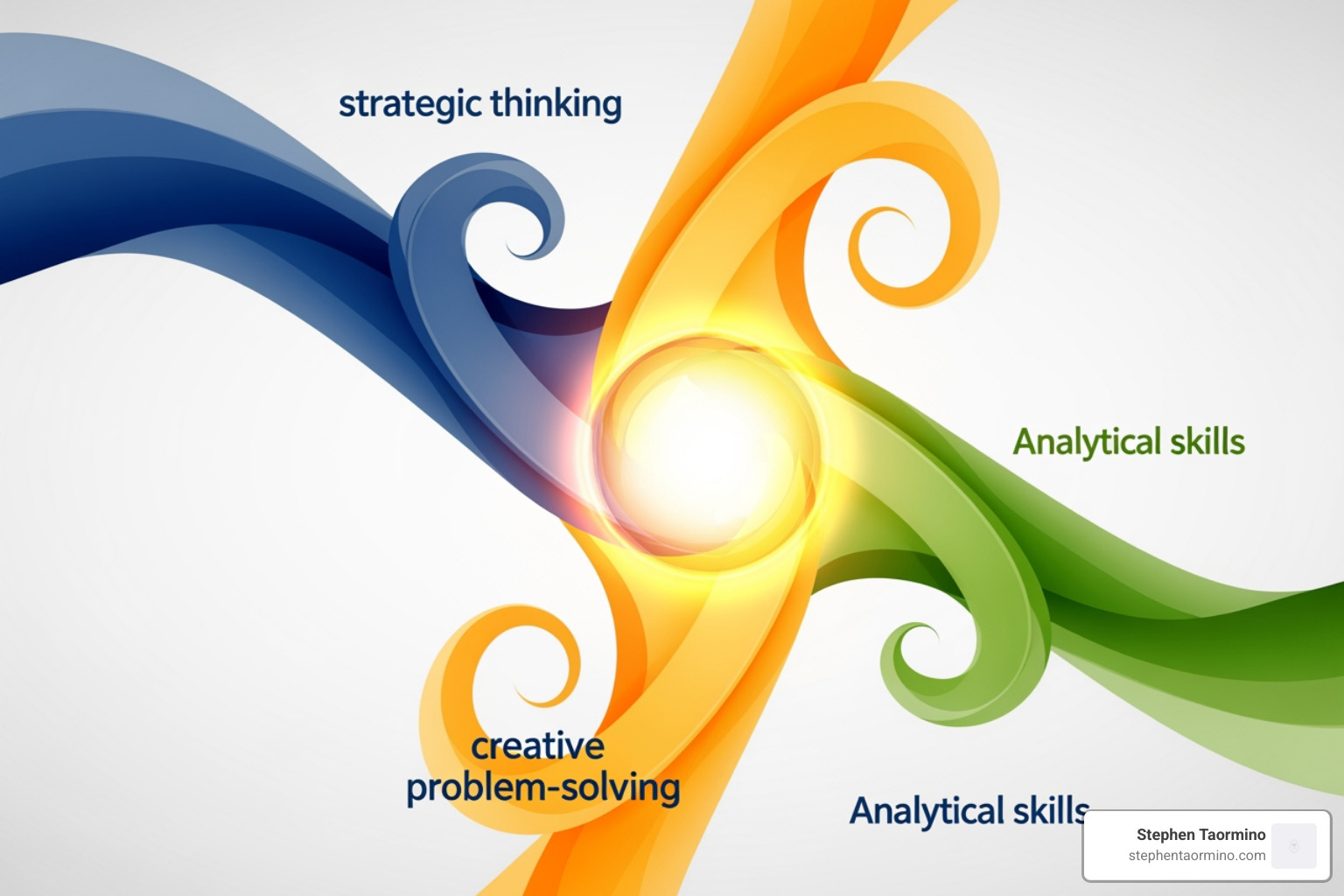
At its core, an expert demonstrates:
- Proven Results: Theoretical knowledge is foundational, but true expertise is validated by applying principles to achieve measurable success. This involves case studies, data-backed growth stories, and a history of overcoming market challenges.
- Strategic Thinking: An expert formulates overarching plans that align marketing with business objectives. They don’t just suggest ‘doing social media’; they articulate how social media fits into the broader customer acquisition and retention strategy.
- Consumer Behavior Mastery: Understanding the ‘why’ behind the ‘what.’ This involves studying cognitive biases, emotional triggers, and the social influences that dictate how and why people make purchasing decisions.
- Adaptability: The marketing landscape is constantly shifting. Whether it’s a change in search engine algorithms, the rise of a new social platform, or a shift in global economic conditions, an expert accepts change and adjusts strategies with agility.
- Leadership: Guiding teams, influencing stakeholders, and fostering innovation are hallmarks of a marketing expert. They inspire and empower others to achieve a collective vision. Learn about marketing leadership
The growing demand for expertise in data analytics and digital marketing highlights the need for this adaptability. As privacy regulations like GDPR and CCPA change how we collect data, the expert marketer finds innovative ways to reach audiences without compromising trust.
Common Roles and Titles in the Marketing Field
The marketing world offers many roles, each requiring a unique blend of skills:
- Marketing Specialist: Focuses on a specific channel like SEO or social media, executing campaigns and analyzing performance.
- Marketing Manager: Oversees marketing initiatives, planning and evaluating campaigns, often managing a team.
- Brand Manager: Shapes brand perception and equity through strategy, positioning, and messaging.
- Marketing Director: A senior leader responsible for the organization’s overall marketing strategy, budget, and team.
- Marketing Consultant: Provides external strategic advice to solve specific marketing challenges.
Many of these roles benefit from “T-shaped” skills: broad knowledge across many marketing areas (the horizontal bar) and deep expertise in one or two specific areas (the vertical bar). This combination allows professionals to collaborate effectively while offering specialized value.
Building Your Foundation: The Core Competencies of an Expert in Marketing
Becoming an expert in marketing starts with a robust foundation of strategic thinking and a deep understanding of marketing principles. This foundation is not built overnight; it requires a combination of formal education, continuous self-improvement, and a keen eye for detail.
Formal Education and Continuous Learning
A solid educational background, such as a degree in Marketing, Business, or Communications, provides fundamental knowledge of market structures, economics, and communication theory. However, the academic world often lags behind the rapid pace of the digital industry. Therefore, continuous learning is non-negotiable. This means staying updated through online courses, workshops, and industry publications like the Harvard Business Review or Adweek. Professional certifications, especially in digital marketing tools, are useful for demonstrating practical, current skills.
Essential Skills for an Aspiring Expert in Marketing
To excel, an expert in marketing needs a diverse skill set that blends analytical rigor with creative thinking:
- Strategic Thinking: Crafting long-term plans that align with business goals. This involves SWOT analysis (Strengths, Weaknesses, Opportunities, Threats) and understanding the competitive landscape.
- Analytical Skills: Gathering, interpreting, and acting on data. Tools like Google Analytics are essential for optimizing campaigns and measuring ROI. An expert doesn’t just look at the data; they find the story within it.
- Creativity: Developing innovative ideas and compelling messages. In a world of ‘content blindness,’ creativity is what captures attention and builds brand recall.
- Communication: Conveying ideas clearly and persuasively. This applies to writing high-converting ad copy, presenting strategies to C-suite executives, and collaborating with cross-functional teams.
- Technical Proficiency: Understanding marketing technology (MarTech). This includes SEO tools, Customer Relationship Management (CRM) systems, and marketing automation platforms.
- Understanding human behavior in marketing
The Psychological Edge: Understanding How People Act
A profound differentiator for an expert in marketing is a deep understanding of human psychology. It is not just about what people buy, but why they buy. This psychological edge turns promotions into powerful connections.
- Marketing Psychology: This field explores how psychological principles like motivation, perception, and memory influence consumer decisions. For example, the ‘Decoy Effect’ can be used to guide customers toward a specific product choice.
- Consumer Decision-Making: Understanding the cognitive biases, emotional triggers, and social influences that shape choices is key to building loyalty. Principles like ‘Social Proof’ and ‘Scarcity’ are powerful tools when used ethically.
- Emotional Connection: Experts forge an emotional bond between a brand and its audience. People often buy based on emotion and justify with logic. A brand that stands for something—a purpose or a set of values—creates lasting advocacy.
- Building Trust: In an age of skepticism, trust is an essential currency. Marketing psychology helps build credibility through transparency, consistency, and authentic storytelling.
- Deeper marketing psychology insights
Leveraging human behavior to drive business growth is a key differentiator for leading marketers. It is about building confidence and fostering relationships through the lens of marketing psychology. By understanding the ‘primitive brain’ and how it responds to stimuli, experts can create campaigns that resonate on a subconscious level.
From Theory to Practice: Gaining Real-World Experience
Theory is essential, but experience is the ultimate teacher. To become a true expert in marketing, you must immerse yourself in the practical application of your skills by testing hypotheses, learning from outcomes, and refining your approach. The transition from ‘knowing’ to ‘doing’ is where true mastery is forged.

- Internships and Entry-Level Jobs: These roles provide invaluable exposure to real-world marketing environments. You learn how agencies operate, how internal marketing departments collaborate with sales, and how to manage client expectations.
- Freelancing and Side Projects: Taking on diverse projects allows you to manage campaigns independently. Whether it’s helping a local non-profit with their social media or running a small e-commerce store, these projects provide a safe space to experiment with new strategies.
- Build a Portfolio: Document your achievements. A strong portfolio should include case studies that highlight the problem, the strategy implemented, the tools used, and the measurable results achieved. Use charts and data visualizations to make your impact clear.
The Power of Connection: Mentorship and Networking
No one becomes an expert in isolation. Mentorship and networking are vital for professional growth, providing shortcuts to knowledge that would otherwise take years to acquire.
- Find a Mentor: Seek guidance from experienced professionals. A mentor can provide objective feedback on your work, help you navigate office politics, and offer career advice based on their own successes and failures.
- Join Professional Organizations: Groups such as the American Marketing Association (AMA) or the Digital Marketing Institute offer resources, events, and a community of peers.
- Attend Industry Events: Conferences and summits are useful for learning about new trends and meeting potential collaborators.
- Build Genuine Relationships: Networking is not just about collecting business cards; it’s about forming connections, offering value, and seeking mutual growth.
- Learn about leadership development
Professional programs often help you meet and build relationships with peers across levels and career stages. These connections often lead to job opportunities, partnerships, and collaborative projects that can accelerate your career.
Embracing Failure as a Stepping Stone
The path to expertise is rarely a straight line. An expert does not fear failure; they accept it as an essential part of the learning process. In marketing, a ‘failed’ campaign is simply a data point that tells you what doesn’t work.
- Analyze Setbacks: When a campaign underperforms, don’t just move on. Perform a ‘post-mortem’ to examine what happened. Was the targeting off? Was the creative unappealing? Was the landing page slow to load?
- Adopt an A/B Testing Mindset: Treat every campaign as an experiment. By testing different headlines, images, and calls to action, you can systematically improve your results over time.
- Iterate on Strategies: Use insights from both successes and failures to continuously refine your approach. The most successful marketers are those who can pivot quickly based on data.
- Build Resilience: The ability to bounce back from setbacks is a hallmark of an expert. View failure as a learning experience rather than a personal defeat.
Finding Your Niche & Building Your Brand
In a broad field like marketing, being a generalist can make it hard to stand out. To become a recognized expert in marketing, finding your niche and building a strong personal brand are crucial steps. Specialization allows you to become the ‘go-to’ person for a specific problem, which increases your market value.
The Importance of Specialization
Specialization allows you to cultivate deep expertise, making you an invaluable asset to employers and clients. It helps you stand out in a crowded field and provides unique value by combining your passions with market needs. For example, a marketer who specializes in ‘SEO for SaaS companies’ will be much more attractive to a software startup than a general SEO specialist. Areas such as data analytics, digital marketing, and marketing automation are particularly strong options for specialization due to their technical complexity.
Popular Marketing Specializations
Here is a glimpse at some popular specializations that offer significant growth potential:
| Specialization | Key Responsibilities | Required Skills |
|---|---|---|
| Content Marketing | Creating valuable, relevant content to attract and retain an audience. | Writing, storytelling, SEO, audience research, empathy. |
| SEO (Search Engine Optimization) | Improving website visibility in search engine results. | Technical SEO, keyword research, analytics, content strategy. |
| Paid Media (PPC) | Managing paid advertising campaigns across search and social platforms. | Budget management, A/B testing, data analysis, copywriting. |
| Email Marketing | Developing and executing email campaigns for lead nurturing and sales. | Copywriting, segmentation, automation, analytics, design basics. |
| Product Marketing | Bringing a product to market and positioning it based on customer needs. | Market research, competitive analysis, communication, launch strategy. |
| Growth Hacking | Rapid experimentation across marketing channels and product development. | Data analysis, coding basics, creative problem solving, agility. |
Building Your Brand as an Expert in Marketing
Once you have honed your niche, you can start to share your expertise. A strong personal brand establishes credibility and attracts opportunities. It is the process of managing your public image and positioning yourself as a thought leader.
- Personal Website/Blogging: Use your own platform to share insights, publish case studies, and express your unique perspective on industry trends.
- Social Media Presence: Actively engage on relevant platforms like LinkedIn or Twitter. Share valuable content, participate in discussions, and connect with other experts.
- Public Speaking: Presenting at conferences, webinars, or local meetups positions you as an authority. It allows you to demonstrate your expertise to a live audience and build trust.
- Thought Leadership: Consistently produce high-quality content (articles, videos, white papers) that offers unique perspectives. Don’t just repeat what everyone else is saying; offer a new angle or a deeper analysis.
- Develop your authority in marketing
A strong brand identity is as important for individuals as it is for organizations. Investing in your own brand helps you communicate who you are, what you stand for, and the distinct value you bring to the table. It makes you ‘un-commoditized’ in a competitive job market.
The Expert’s Mindset: Adaptability and Continuous Learning
The marketing world is constantly evolving, driven by technological advancements and changing consumer habits. To remain an expert in marketing, you must cultivate a mindset of ongoing curiosity and adaptability. Stagnation is the enemy of expertise. In this field, if you aren’t moving forward, you are falling behind.
This means staying updated on trends such as artificial intelligence (AI), machine learning, and new privacy regulations. AI, for instance, is transforming how we personalize content, predict consumer behavior, and optimize ad spend. An expert doesn’t fear these technologies; they learn how to integrate them into a cohesive business model to enhance human creativity and strategic decision-making.
Learning from the Masters: Pioneers and Modern Gurus
Your journey is illuminated by the thinkers who shaped the field and the innovators influencing its future. Studying their work offers useful lessons that transcend temporary trends. Foundational concepts like the 4 P’s of marketing (Product, Price, Place, Promotion), brand equity, and permission-based marketing provide a solid framework for any strategy.
Modern experts have popularized data-driven approaches to digital growth and demonstrated how to build brand equity through authentic content and social media. By studying the work of these pioneers, you can learn how to think strategically, innovate constantly, and always put the customer at the center of your decisions. Whether it’s a focus on research-driven advertising or an emphasis on ‘remarkable’ products, these lessons are timeless.
An expert also understands the importance of ‘unlearning.’ Sometimes, the strategies that worked five years ago are no longer effective. Being able to let go of outdated practices is just as important as adopting new ones. This intellectual humility is what allows an expert to stay relevant in a fast-paced industry.
Strategy in Action: Driving and Measuring Business Growth
For any expert in marketing, the ultimate goal is to drive business growth. This requires a thoughtful approach to strategy development and a clear commitment to measuring performance. Marketers do not just create campaigns; they build systems that support sustainable growth and provide a clear path to profitability.
Developing Effective Strategies
An effective marketing strategy is a blueprint for success. It involves understanding the market, identifying target audiences through detailed buyer personas, and defining clear objectives that align with overarching business goals. A strong strategy uses a full-funnel approach, considering every stage of the customer journey: awareness, consideration, conversion, retention, and advocacy.
Measuring What Matters: Optimization and ROI
Strategy without measurement is speculation. An expert tracks performance to ensure efforts translate into tangible returns. This involves moving beyond ‘vanity metrics’ like likes and follows to focus on ‘impact metrics’ that affect the bottom line.
- Key Performance Indicators (KPIs): Define specific, measurable metrics such as conversion rates, customer acquisition cost (CAC), and customer lifetime value (CLV). A healthy business typically aims for a CLV that is at least three times the CAC.
- Marketing Analytics: Use tools like Google Analytics 4 (GA4) to gather insights into user behavior and campaign effectiveness. Understanding ‘attribution’—which touchpoints contributed to a sale—is crucial for allocating budget effectively.
- A/B Testing: Use continuous experimentation to test variables like email subject lines, landing page layouts, and ad copy. This data-driven approach removes guesswork from the creative process.
- Campaign Optimization: Continuously refine campaigns based on data. If a specific ad set is underperforming, an expert knows when to kill it and reallocate the budget to high-performing assets.
Calculating Return on Investment (ROI): Show marketing’s financial contribution by calculating how your efforts influence revenue. This is essential for securing marketing budgets and demonstrating value to stakeholders.
Conclusion: Your Lifelong Path to Mastery
Becoming an expert in marketing is not a destination but an ongoing path of learning, adaptation, and impact. This journey requires foundational knowledge, practical experience, and a mindset of adaptability to excel in a dynamic field. As we have explored, the path involves mastering the core competencies, gaining real-world experience, finding your niche, and maintaining a commitment to data-driven strategy.
A true expert blends strategic thinking with creative execution, understands the nuances of consumer behavior, and uses data to drive measurable results. They recognize that the marketing landscape is always changing, which demands curiosity and thoughtful experimentation. The lessons from marketing pioneers and modern voices alike are clear: stay connected, stay informed, and keep refining your craft.
The impact of a true marketing expert is felt in business growth, strong brands, and meaningful customer connections. It is about turning insights into action and creating tangible value for both the organization and the customer. In a world of noise, the expert provides clarity and direction.
At CC&A Strategic Media, our approach, led by Steve Taormino, reflects this philosophy. We focus on leveraging marketing psychology and human behavior to drive real business growth. Our work combines deep technical knowledge with storytelling and strategy, all aimed at opening up potential, building confidence, and developing impactful leaders. We believe that marketing is not just about selling products; it’s about building relationships and solving problems.
As you continue your journey to mastery, accept the learning, welcome the challenges, and remember the influence an expert in marketing can have on the success of any organization. The road may be long, but the rewards of mastery are well worth the effort.