
Why Conflict Resolution Training Is Essential for Modern Workplaces
Conflict resolution training equips professionals with practical skills to identify, manage, and resolve disputes before they escalate into costly organizational problems. It teaches proven techniques like active listening, mediation, and negotiation strategies that transform workplace tensions into opportunities for innovation and stronger relationships.
Key benefits of conflict resolution training include:
- Improved productivity through reduced time spent on disputes
- Lower employee turnover by fostering healthier work environments
- Improved communication skills across all organizational levels
- Reduced litigation risk and associated legal costs
- Stronger team collaboration and psychological safety
Workplace conflict is inevitable, but unresolved conflict is expensive. Managers can spend up to 20% of their time dealing with disputes, while employee turnover costs can reach 150% of an annual salary. The good news is that organizations investing in conflict resolution training see measurable returns. They build cultures where difficult conversations happen constructively and disagreements fuel innovation rather than resentment.
The most effective training goes beyond theory, combining human psychology with practical frameworks like the Understanding-Based Model. Participants practice real scenarios through role-playing and receive expert coaching, developing confidence in handling tense situations.
I’m Steve Taormino, and with over 25 years specializing in the psychology of human behavior and communication, I’ve seen that mastering conflict resolution isn’t just about keeping the peace; it’s about open uping your team’s full potential and driving sustainable business growth.
Conflict resolution training word roundup:
The Anatomy of Conflict: Core Skills and Knowledge Gained
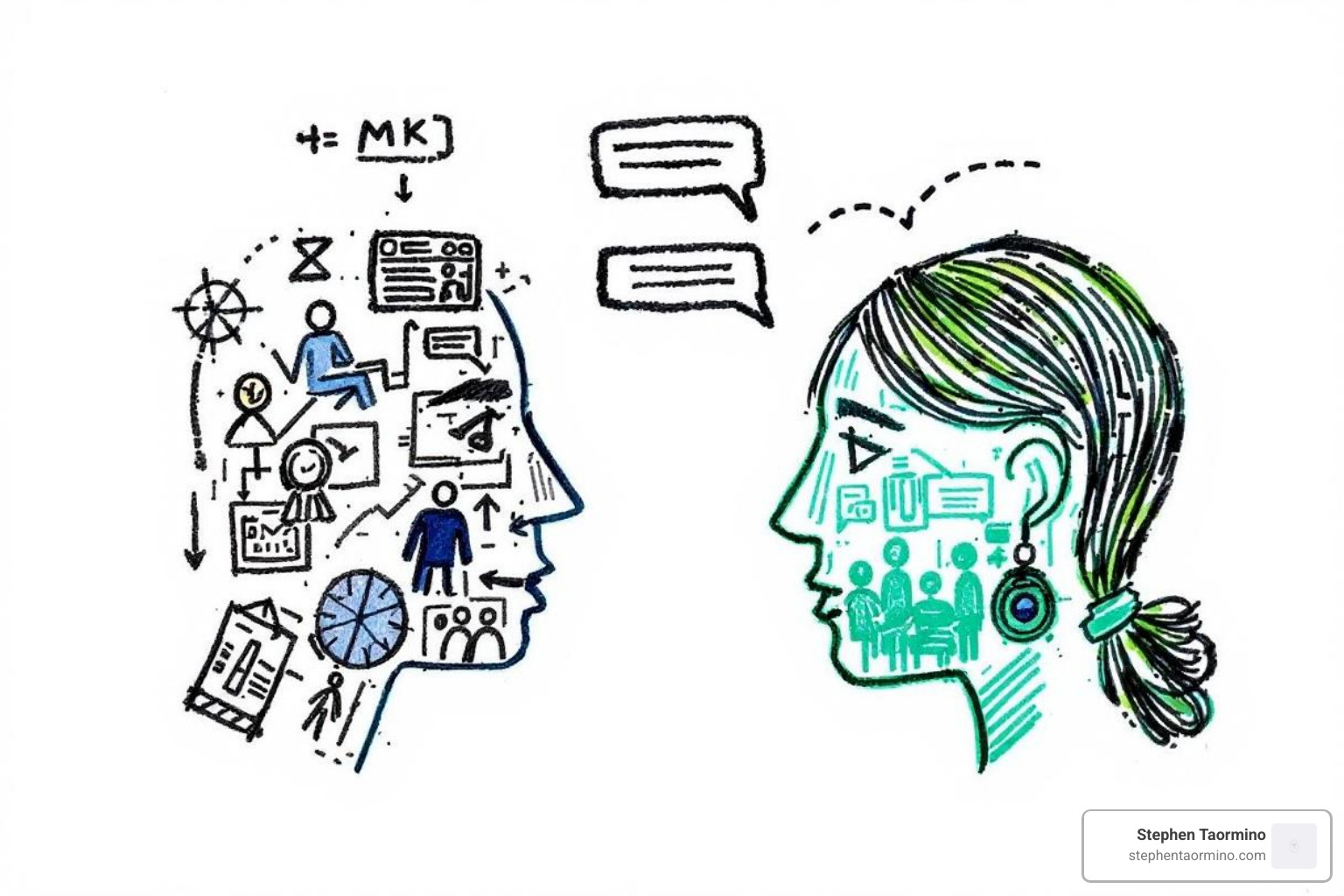
At its heart, conflict resolution training is about approaching disagreements with a mindset of understanding and collaboration. A foundational element is understanding different conflict styles. Recognizing your own tendencies and those of others, often with tools like the Conflict Dynamics Profile (CDP), is the first step toward effective resolution. This self-awareness is critical for fostering healthier team interactions.
Active listening and empathy are paramount. It’s about truly understanding the other person’s perspective, feelings, and needs. When people feel heard, tension de-escalates. Empathy isn’t about agreeing, but about connecting with another’s experience, which is a powerful bridge in any dispute. These skills are often part of a comprehensive toolkit, such as the 12 Skills Approach, which provides a framework for everything from prevention to mediation. We also move beyond simple haggling to interest-based negotiation, focusing on shared interests to design win-win solutions.
Finally, we explore the formal mediation process, a structured approach where a neutral third party helps resolve complex disputes. Learning these stages empowers individuals to not only manage their own conflicts but also to assist others in finding common ground. For a deeper dive, explore our resources on Effective Communication Skills.
Key Components of a Comprehensive Conflict Resolution Training Program
A comprehensive conflict resolution training program immerses participants in practical application. It begins with self-awareness modules to help you understand your own reactions, biases, and triggers. This is often paired with communication frameworks like the Understanding-Based Model, which emphasizes empathy and guides parties to make informed choices together respectfully.
We also dedicate significant time to de-escalation techniques. Learning to calm heightened emotions and create a safe space for dialogue is crucial. These skills are practiced through interactive sessions and realistic role-playing scenarios, allowing participants to build confidence and muscle memory in a safe environment. This hands-on approach ensures you can adapt concepts to your own practice. For more insights, check out our Communication Skills Training resources.
Understanding the Psychology Behind Disagreements
To master conflict resolution, we must understand the psychology that underpins disagreements. This means identifying emotional triggers—words or situations that shift us from calm to defensive. Recognizing these in ourselves and others allows us to steer conversations more carefully.
We also examine cognitive biases, the mental shortcuts that distort our perception. Biases like confirmation bias can prevent us from seeing the other side clearly. Learning to identify these biases helps us approach conflicts with a more open mind. By applying insights from human behavior, we can craft more effective communication strategies. This psychological understanding helps shift the interaction from “me vs. you” to “us vs. the problem,” changing conflicts into catalysts for stronger relationships and innovative solutions. To explore more, consider our insights on Human Behavior Marketing.
Building a More Productive Workplace: The Organizational Benefits

Investing in conflict resolution training is a strategic imperative that creates a more harmonious, efficient, and innovative environment. One of the most tangible outcomes is reduced employee turnover. When employees feel their concerns are handled fairly, they are more likely to stay, saving organizations substantial resources on recruitment and training. This leads directly to measurable increases in productivity, as employees spend less time embroiled in disputes and more time focused on their work.
Beyond the numbers, the training improves employee relations and morale. It equips individuals with skills for respectful communication and negotiation, which translates into stronger working relationships and increased trust. Furthermore, proactive conflict resolution lowers the risk of litigation by preventing minor disagreements from escalating into formal grievances or lawsuits. Having trained internal mediators can be a game-changer in this regard.
This training fosters a culture of psychological safety and innovation. When employees feel safe to express differing opinions and challenge ideas constructively, creativity thrives. This environment encourages the open dialogue and critical thinking necessary to tackle complex problems together. For more on creating high-performing teams, visit our guide on Building High-Performing Teams.
Calculating the True Cost of Unmanaged Conflict
Many organizations underestimate the financial and human toll of unmanaged conflict. Consider the wasted time: managers can spend up to 20% of their week mediating disputes. Employees caught in the crossfire also lose countless hours to distraction and stress. This leads to increased absenteeism and presenteeism, where employees are physically present but mentally disengaged, hurting productivity and work quality.
Persistent conflict erodes trust, creates factions, and fosters a toxic atmosphere, which can derail projects and lead to missed deadlines. To help quantify these expenses, tools like a “Cost of Conflict Calculator” can measure the financial impact based on factors like lost productivity and turnover. By putting a concrete number to the problem, organizations can clearly see the return on investment for conflict resolution training.
Choosing Your Path: A Guide to Conflict Resolution Training Programs

When acquiring conflict resolution skills, the right program depends on your specific needs, budget, and learning style.
| Feature | Online Training | In-Person Workshops |
|---|---|---|
| Flexibility | High (self-paced, access anytime/anywhere) | Low (fixed schedule, travel required) |
| Cost | Generally lower (e.g., starting at $15) | Generally higher (includes venue, travel) |
| Interactivity | Varies (virtual role-plays, forums, live sessions) | High (direct interaction, immediate feedback) |
| Networking | Limited to online communities/breakout rooms | High (face-to-face connections, informal chats) |
| Pacing | Self-paced, can be completed at own speed | Group-paced, fixed duration |
| Accessibility | Accessible globally with internet access | Location-dependent |
Online courses offer unparalleled accessibility and affordability, with self-paced programs covering foundational topics. For more hands-on learning, intensive in-person workshops provide live demonstrations, extensive role-playing, and direct coaching. Professional certifications offer a structured path to demonstrating expertise, signifying a high level of competence that can boost career prospects. Finally, train-the-trainer models are excellent for organizations looking to build internal capacity by equipping leaders to deliver seminars in-house. If you’re considering leading such workshops, our Workshop Facilitator services can offer valuable insights.
Tailoring conflict resolution training for Your Industry
Effective conflict resolution training is never one-size-fits-all. Programs must be custom to the unique challenges of different sectors. For example, healthcare settings require a focus on compassionate communication and ethical dilemmas. Government bodies need skills in navigating bureaucracy and public scrutiny. Corporate environments demand efficient negotiation and peer mediation to maintain productivity. The rise of remote teams necessitates new strategies for virtual communication and trust-building. Finally, integrating training with Diversity, Equity, and Inclusion (DEI) initiatives is paramount to addressing conflicts arising from unconscious bias and cultural differences.
Selecting the Right Program for Different Professional Roles
Just as industries differ, so do professional roles. For HR professionals, training often covers advanced mediation, legal compliance, and building internal dispute resolution systems. For managers and team leaders, the focus is on proactive conflict prevention, facilitating difficult conversations, and early intervention. Advanced programs for external consultants and mediators include intensive negotiation strategies and specialized techniques for high-stakes conflicts. By matching the training to the role, individuals gain the most relevant and impactful skills. For more on strengthening leadership capabilities, explore our resources on Leadership Development.
From Skills to Career: The Long-Term Impact of Certification
Obtaining a certification in conflict resolution training is a profound investment in your professional future. It significantly improves professional credibility, signaling to employers and clients that you possess a standardized set of skills in navigating complex human interactions. This credential can differentiate you in a competitive job market.
It also leads to tangible career advancement opportunities. Many roles in human resources, management, and consulting value or require strong conflict resolution capabilities. A certification can qualify you for promotions, specialized roles, or even a career transition into fields like mediation. Finally, it can lead to increased earning potential, as specialists who can prevent costly disputes and improve team performance are highly valued. For those aspiring to leadership, this expertise is critical for growth, as detailed in our guide on Professional Development for Leaders.
Why a Certification in conflict resolution training Matters
A certification serves as a robust testament to your expertise. It demonstrates standardized knowledge, assuring a baseline understanding of conflict theory, communication techniques, and resolution processes. It also provides professional recognition, signaling your dedication to the craft, which is particularly important in fields where trust is paramount. Lastly, it grants access to practitioner communities and resources, including alumni networks and ongoing professional development, ensuring your skills remain sharp.
Career Opportunities with Conflict Resolution Expertise
The demand for skilled conflict resolution practitioners is growing. A strong background and certification can open up a diverse range of rewarding career paths:
- Certified Mediator: A neutral third party who facilitates communication to help parties reach mutually acceptable agreements.
- Organizational Ombudsperson: An impartial resource within an organization who assists employees in resolving workplace-related issues.
- Human Resources Manager (Employee Relations): Focuses on managing employee grievances and fostering a positive work environment through effective conflict management.
- Leadership Development Consultant: Coaches leaders and teams on communication, negotiation, and conflict management skills.
- Executive Coach: Provides one-on-one guidance to executives on managing team conflicts and stakeholder disagreements.
Frequently Asked Questions about Conflict Resolution Training
What topics are typically covered in conflict resolution courses?
Conflict resolution training courses cover a comprehensive array of topics. We typically start with conflict theory to understand its causes and escalation. From there, we dive into essential communication skills like active listening, empathetic responding, and assertive communication. Core components include negotiation and mediation techniques, including interest-based negotiation and the role of a neutral third party. Modules often cover de-escalation strategies, cultural sensitivity, and managing emotions. Finally, practical application through role-playing and case studies is integrated throughout to build confidence and real-world ability.
How can an organization measure the effectiveness of the training?
Measuring the impact of conflict resolution training is crucial for demonstrating ROI. Key methods include:
- Pre- and post-training assessments to gauge improvements in knowledge and confidence.
- Tracking HR metrics, such as a reduction in the number of formal grievances and complaints.
- Analyzing employee engagement surveys for positive shifts in responses related to communication, psychological safety, and fairness.
- Gathering qualitative feedback from managers on observed changes in team dynamics and performance.
- Observing improvements in productivity and collaboration, as less time is wasted on interpersonal issues. Tools like a “Cost of Conflict Calculator” can also help quantify the financial benefits.
Can conflict resolution skills truly be learned online?
Absolutely. Conflict resolution training can be learned very effectively online, offering flexibility and accessibility. Modern online platforms create immersive learning experiences through a variety of formats. Self-paced courses break down complex topics into digestible modules with interactive quizzes and videos. Live virtual workshops use video conferencing for real-time interaction, group discussions, and even role-playing with immediate feedback from trainers. Online certifications from reputable platforms further validate learning through graded assignments and practical projects, ensuring a comprehensive and convenient educational experience.
Conclusion: Forge Stronger Relationships and Drive Results
As we’ve explored, conflict resolution training is a strategic investment that yields tangible benefits for individuals and organizations. Mastering core skills like active listening, empathy, and negotiation transforms challenging interactions into opportunities for growth. The impact is clear: reduced turnover, increased productivity, and a significant decrease in the hidden costs of unmanaged conflict.
At Stephen Taormino, we believe that conflict, when managed skillfully, leads to stronger relationships and innovative solutions. The critical role of communication in effective leadership cannot be overstated. Our expertise in marketing psychology and human behavior has shown us time and again how fostering smarter communication drives real business growth.
By investing in conflict resolution training, you’re not just keeping the peace; you’re learning to lead with empathy, build trust, and open up the full potential of your teams. Take the next step in mastering workplace dynamics with expert Group Facilitation Training.