
Questions to ask when moderating a panel: Engaging 2025
Why Strategic Questions Transform Panel Discussions
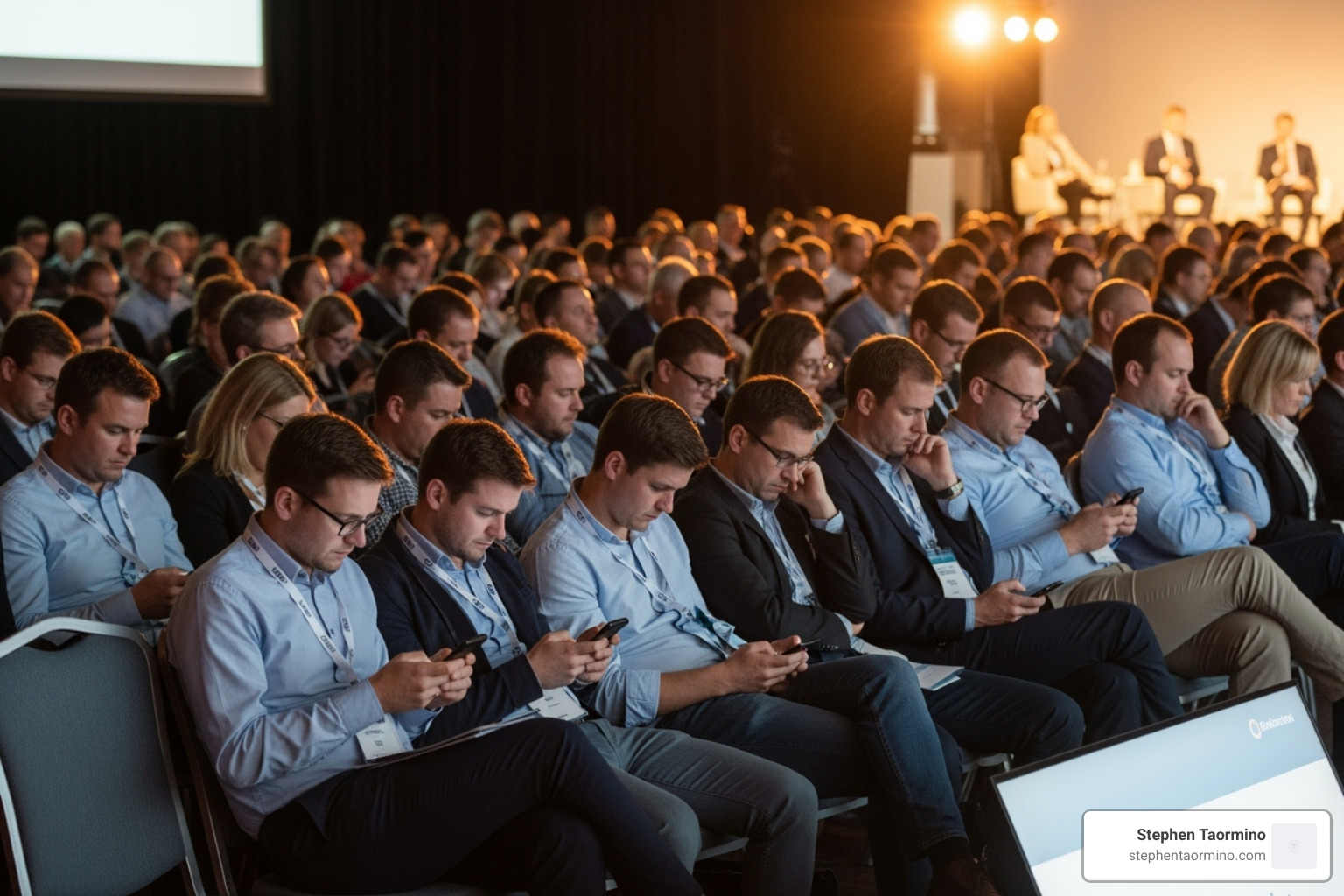
Questions to ask when moderating a panel are the foundation of every engaging discussion. The difference between a panel that crackles with energy and one that has the audience scrolling their phones comes down to preparation. Poor questions lead to rambling monologues, while strategic questions create authentic conversations that deliver real value.
Here are a few essential examples:
- Opening: “What’s the biggest misconception about [your topic]?”
- Probing: “Can you give us a specific example?”
- Closing: “What’s one action the audience should take tomorrow?”
As seasoned moderator Tom Webster says, “I literally write 30-50 questions down in advance, knowing that I may only get to 5 of them, but when I do they will be phrased exactly how I want them, and the panel will be kept on track.”
I’m Steve Taormino, and with over 25 years in marketing communications and global public speaking, I’ve seen how mastering questions to ask when moderating a panel transforms good moderators into great ones. Let’s explore the framework for leading discussions that truly engage and inform.
Explore related topics:
- Essential strategies for panel moderation
- Your guide to moderating engaging panels
- Understanding the moderated panel format
The Foundation: Why Well-Crafted Questions Are Essential
Think of the questions you ask when moderating a panel as the core structure of your discussion. They aren’t just ways to start talking; they’re the framework that transforms individual experts into a unified, valuable experience for your audience. Bad questions lead to dull sessions. But strategic questions? They spark new ideas and real conversations. Your job as moderator is to be the guide, setting the mood and directing the flow to ensure attendees get real value. (For more tips, check out our guide on best practices for panel moderation.)
The most effective questions are:
- Tied to the topic: Every answer should serve the panel’s central theme.
- Reflective of expertise: Ask questions custom to each panelist’s unique background.
- Audience-focused: Address what your audience actually wants to know.
- Not easily Googleable: Focus on insights, not easily searchable facts.
- Concise and clear: Avoid long, rambling questions that confuse everyone.
- Designed for takeaways: Ensure every answer delivers usable insights.
Without these principles, panels fall into common traps like playing favorites, derailing into rabbit trails, or moderators answering their own questions. As the Harvard Business Review notes in its guide on “How To Moderate a Panel Like a Pro,” your job is to make the speakers shine while maximizing audience value.
Before You Ask: The Art of Strategic Preparation
The best questions to ask when moderating a panel come from thorough preparation, not last-minute brainstorming. This means understanding the panel’s entire “ecosystem”: the topic’s nuances, the audience’s needs, and the organizer’s objectives.
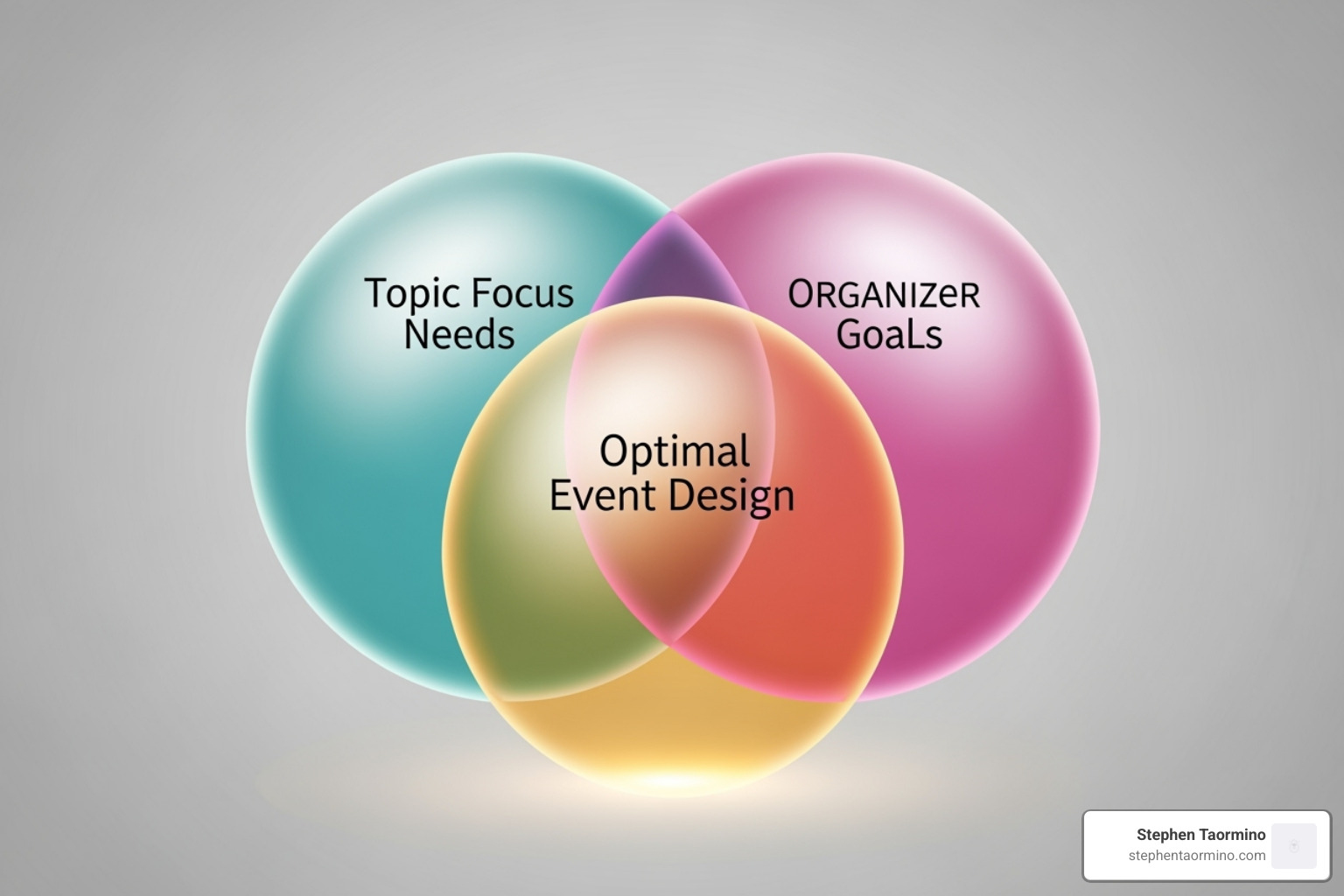
- Research your panelists: Go beyond their bios. Look at recent interviews, articles, and social media posts to find their unique perspectives and potential points of disagreement.
- Understand your audience: What are their challenges and expectations? Use pre-event surveys or quick polls at the start to gauge their knowledge level.
- Align with organizers: Discuss the panel’s purpose and desired outcomes. Are they launching a new product or addressing an industry trend? This context shapes your question strategy.
- Hold a pre-panel call: This is essential. A brief 15-minute call with panelists builds rapport, sets expectations, and prevents on-stage surprises. It gives everyone confidence in the format and flow.
Remember Tom Webster’s rule: prepare 30-50 questions, even if you only use a handful. This over-preparation gives you the flexibility to adapt to the conversation’s natural flow while ensuring every question is purposeful.
Your Arsenal: A Categorized List of Questions to Ask When Moderating a Panel
A well-organized list of questions to ask when moderating a panel is your toolkit for guiding the conversation. You won’t use every tool, but having them ready allows you to move the discussion from broad context to specific, actionable insights. This structure helps create a cohesive journey for the audience.
Opening Questions to Set the Stage and Spark Interest
Your first question sets the mood. Skip generic “tell us about yourself” intros and ask something that immediately signals value and grabs attention.
- “Let’s start with a common misconception about [your topic]. What do most people get wrong?”
- “Instead of your bio, tell us about a pivotal moment or experience that brought you to this specific work.”
- “If we’re having this same conversation in 5 years, what do you predict will be the biggest change in [your industry]?”
- “Why is this topic more important now than ever before?”
- “What’s one thing you hope the audience takes away from our discussion today?”
Probing & Follow-Up Questions to Dig Deeper
The real conversation happens in the follow-up. This is where you transform a Q&A into a genuine dialogue. Active listening is your superpower; listen for keywords, disagreements, or assumptions that need unpacking. The Socratic Method is a great model for digging deeper.
- “Can you give us a specific example of what you mean by that?”
- “That’s an interesting perspective. [Other Panelist], do you see it differently?”
- “What were the underlying assumptions you made when you started that project?”
- “You mentioned [a specific term]. Can you unpack that for the audience?”
- “What was the most unexpected challenge you faced in that situation?”
Topic-Specific Questions to Ask When Moderating a Panel (Business, Tech, Leadership)
Generic questions get generic answers. Tailor your questions to the panel’s theme and the panelists’ expertise to show you’ve done your homework.
- For a Leadership Panel: “How has your leadership style had to evolve to manage hybrid or remote teams effectively?” or “Tell us about the challenges faced by introverts in obtaining and excelling in leadership roles.”
- For a Tech Panel: “Beyond the hype, what is one practical application of [new technology] that you believe will have a lasting impact?”
- For a Marketing Panel: “How do you balance the need for data-driven decisions with the creative intuition required for a breakthrough campaign?”
- For a Sales Panel: “Sales teams often face burnout. What’s one strategy you’ve found effective for keeping your team motivated during challenging quarters?”
Closing Questions to Deliver Actionable Takeaways
Your final question is your last chance to ensure the audience leaves with clear, memorable advice. Focus on immediate, actionable takeaways.
- “What is the single most important action item someone in our audience should take tomorrow based on our conversation?”
- “What is one resource—a book, podcast, or tool—you’d recommend for those who want to learn more?”
- “What is the question you wish I had asked you today?”
- “Looking forward, what makes you most optimistic about the future of [your topic]?”
- “What’s the question you are most tired of hearing on this subject, and what would you like to say about it so you never have to answer it again?”
Advanced Moderation: Mastering Flow and Engagement
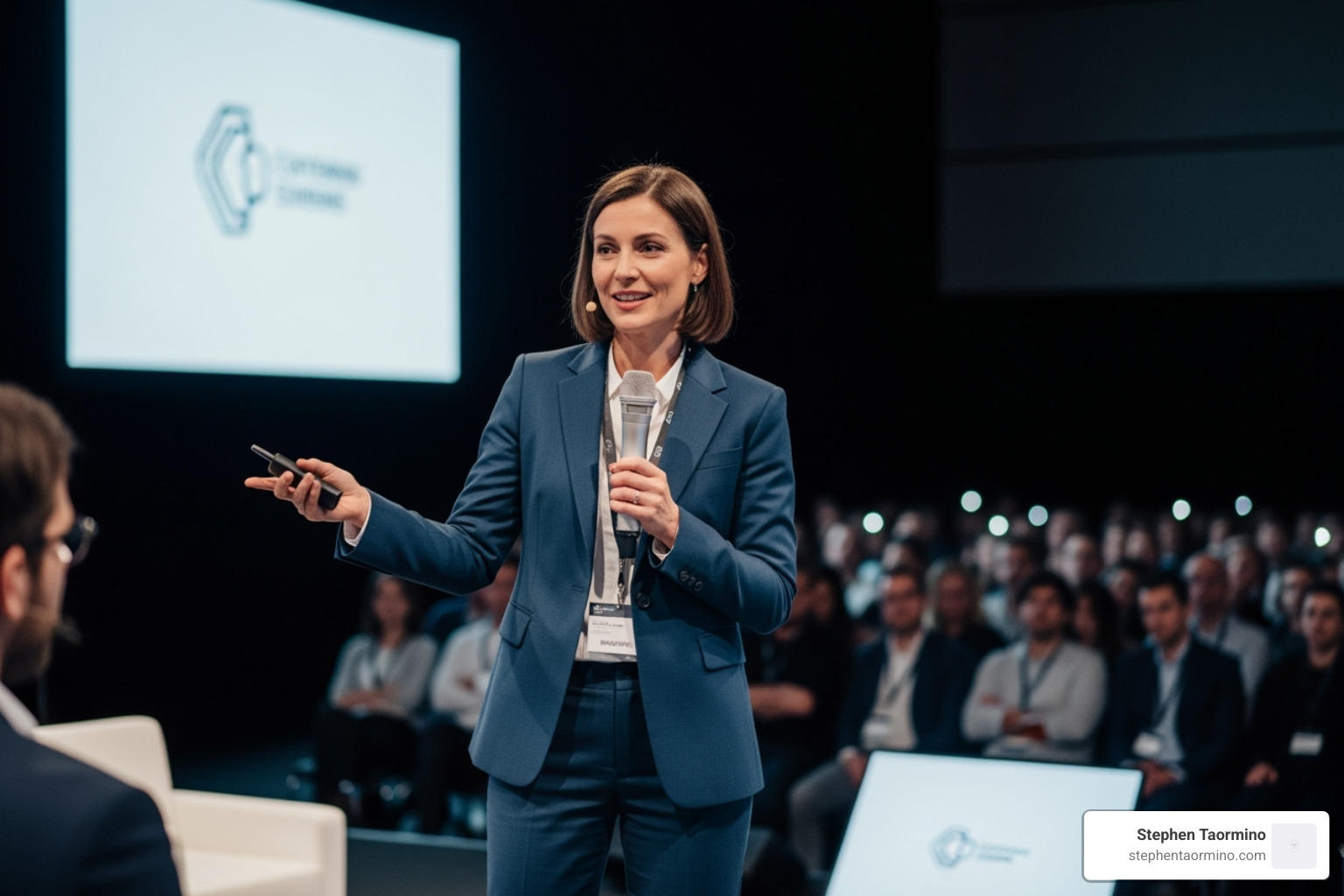
Beyond asking good questions, a great moderator conducts the human dynamics on stage. This means managing personalities, balancing voices, and creating a natural conversational flow. Your goal is to make the panel feel less like an interview and more like a fascinating conversation between brilliant minds.
Ensuring Balanced Participation and Diverse Viewpoints
Every panel has its archetypes: the enthusiastic talker, the thoughtful introvert, and the jargon-loving expert. Your job is to orchestrate them into a harmonious discussion.
- To redirect a dominant panelist: Wait for a natural pause and say, “That’s a fascinating point. I’d love to bring in [Quiet Panelist] here—how does that align with your experience?”
- To encourage healthy debate: When you sense different perspectives, lean in. Ask, “Do you have a different perspective on that?” or “We’ve heard a few perspectives on the problem. Let’s shift to solutions. [Panelist C], what’s one step you’d recommend?”
- To include a quiet panelist: Create a specific opening for them. “Sarah, you also have deep experience with this topic. What was your take?”
- To handle a tangent: Politely redirect them back to the topic. “That’s an interesting point, but I want to be sure we cover…” Your loyalty is to the audience and the core topic.
Using Questions to Engage the Audience
Audience engagement shouldn’t be an afterthought saved for the final Q&A. Weave it in from the beginning to make attendees feel like active participants.
- Use quick polls: A simple “Show of hands: how many of you are currently facing this challenge?” gauges the room’s experience and boosts engagement.
- Integrate questions early: If an audience question fits the current topic, don’t wait. “We have a question from the audience that builds perfectly on this point…”
- Invite counter-arguments: If appropriate, ask, “Does anyone in the audience have a counter-argument they’d like to share?” This can lead to authentic, valuable moments.
- Manage the Q&A: When taking questions, ask people to state their name and ask a concise question (not a pitch). Always repeat the question for the entire room’s benefit.
Common Pitfalls: Mistakes to Avoid When Formulating Questions
Knowing what not to do is as important as knowing what to do. The most common mistakes stem from a lack of preparation or a misunderstanding of the moderator’s role as a guide, not the star. Avoid these common traps to keep your panel smooth and engaging.
- Asking Multi-Part Questions: Stick to one idea per question. A complex question like, “Can you discuss your background, current challenges, and future predictions?” overwhelms the panelist and the audience. They’ll only answer the part they remember.
- Asking Leading or Yes/No Questions: Avoid questions that start with “Don’t you think that…” They’re statements seeking agreement, not inquiries seeking expertise. Ask “How?” and “Why?” to open up conversation.
- Answering Your Own Questions: This is a common trap. Ask your question, then stop talking. Your role is to facilitate, not to share your own perspective before the experts do. Let them shine.
- Not Listening to the Answers: Don’t be so focused on your list that you miss a golden opportunity for a follow-up. The best insights often come from spontaneous follow-ups to an unexpected answer.
- Asking Mundane, Googleable Questions: If the answer can be found in a 30-second search, don’t waste precious panel time on it. You’re there to uncover fresh insights and unique perspectives.
- Allowing “Blathering” or Rabbit Trails: Vague questions often lead to rambling answers. Keep your questions specific and tied to the core topic to maintain focus and provide structure.
Frequently Asked Questions about Moderating a Panel
Here are answers to common concerns we hear from moderators looking to master the art of asking effective questions to ask when moderating a panel.
How many questions should a moderator prepare for a panel?
Over-prepare. Aim for a list of 20-30 well-crafted questions, even though you’ll likely only ask 8-12 during a typical 45-60 minute panel. If you’d like a ready-made checklist, download our one-page resource at How to Moderate a Panel Discussion before your next event. This deep well of questions gives you the flexibility to adapt to the conversation’s flow, handle short answers, or explore interesting tangents. Preparation builds your confidence and allows you to listen more actively.
What’s the best way to handle a panelist who talks too much?
The key is to be polite but firm. The panelist is likely just passionate, not intentionally difficult. Wait for a natural pause, then smoothly interject with a bridging phrase: “Thank you for that insight. I want to build on that and hear [Another Panelist]’s perspective…” Having pre-prepared cutoff phrases makes this feel natural. Your primary duty is to ensure equitable airtime for all panelists and serve the audience.
How do you transition smoothly between topics?
Use a summary and pivot technique. Briefly summarize the point just made, then explicitly connect it to the next topic. For example: “So, we’ve established the key challenges. Now, let’s pivot to the opportunities. [Panelist Name], what future trend are you most optimistic about?” This creates a clear mental bridge for both the panel and the audience, making the discussion feel cohesive and purposeful.
Conclusion: From Good Questions to Great Conversations
Mastering the art of asking questions to ask when moderating a panel transforms you from a timekeeper into a true facilitator of insight. This skill is rooted in meticulous preparation, active listening, and a genuine curiosity that serves the audience above all else. When we focus on this, we architect conversations that deliver real value and are remembered long after the event ends.
This approach blends strategic thinking with a deep understanding of human interaction—the foundation of effective communication. People don’t just want information; they want stories, insights, and actionable takeaways.
At Stephen Taormino, we believe that understanding how people think, connect, and act is fundamental to open uping potential. Whether we’re exploring marketing psychology or helping a leader become a more impactful moderator, the core principle remains the same: authentic human connection drives results. The skills discussed here are not just for moderation; they are communication principles that make us more effective leaders in every aspect of our professional lives.
To deepen your understanding of these principles, explore our resources: