English
  Spanish
  French
  German


When Your Securities Case Demands More Than a Good Lawyer
A capital market expert witness serves as the essential translator in high-stakes legal disputes, turning the dense, often impenetrable language of global finance into clear, actionable evidence for a judge or jury. In the modern financial landscape, where transactions occur in microseconds and instruments are layered with complex derivatives, the gap between a legal argument and a financial reality can be vast. Bridging that gap requires more than just a general understanding of money; it requires a professional who has lived within the mechanics of the market.
Here’s what they do at a glance:
- Analyze massive datasets of financial transactions to identify patterns of fraud, manipulation, or systemic misconduct.
- Assess economic damages caused by securities violations, investment mismanagement, or breaches of fiduciary duty.
- Explain complex financial instruments—from credit default swaps to SPAC structures—in plain language that non-experts can grasp.
- Provide authoritative opinions on whether market participants adhered to or deviated from established regulatory standards.
- Deliver credible testimony in trials, depositions, arbitrations, and mediations that can withstand intense cross-examination.
Securities litigation is rarely a straightforward affair. Cases involving insider trading, the mis-selling of complex derivatives, or disputes over Special Purpose Acquisition Companies (SPACs) often hinge on highly technical concepts. Most attorneys, and certainly most jurors, are not equipped to evaluate the nuances of a “dark pool” trade or the delta-hedging strategy of a hedge fund on their own. This is where a qualified capital market expert witness becomes the difference between a successful verdict and a costly loss.
Without the right expert, even a legally sound case can collapse under the weight of financial complexity. The opposition will undoubtedly bring their own experts to muddy the waters; your expert must be the one to bring the clarity.
I’m Steve Taormino—expert witness, professional speaker, and CEO of CC&A Strategic Media. My career has been dedicated to the intersection of technical expertise and effective communication. Navigating high-stakes testimony requires a unique blend of industry depth and the ability to tell a compelling, truthful story. In the sections ahead, I will guide you through the process of identifying, evaluating, and leveraging a capital market expert witness to ensure your case is built on a foundation of undeniable financial truth.
Capital market expert witness terms explained:
Defining the Role of a Capital Market Expert Witness
When we discuss the “capital markets,” we are describing the vast, interconnected global ecosystem where capital is raised, traded, and managed. This includes the primary markets where new securities are issued and the secondary markets where they are traded among investors. A capital market expert witness is a professional who possesses deep, operational knowledge of this ecosystem, ranging from the mechanics of the New York Stock Exchange to the intricacies of over-the-counter (OTC) derivative platforms.
These experts act as a bridge between the technical world of finance and the procedural world of the legal system. They don’t just understand the theory of finance; they have spent decades on trading desks, in investment banking boardrooms, or leading asset management firms. This “in-the-trenches” experience is vital because it allows them to see what others miss. They can identify a subtle pattern in a trade log that suggests market manipulation or spot a fundamental flaw in a complex valuation model that an academic might overlook.
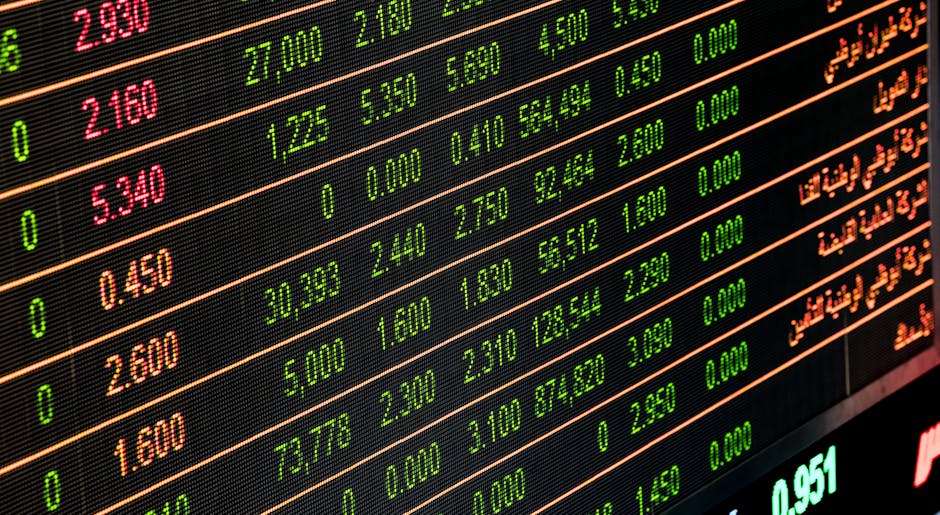
Their role is multifaceted and evolves with the needs of the case. They may be asked to define standard industry practices, explain the mechanics of financial markets expert witnesses, or analyze whether a specific investment was “suitable” for a client’s stated goals according to FINRA guidelines. With a global reach that often spans the Americas, Europe, and Asia-Pacific, these experts provide a macro view of how global capital flows impact local disputes.
Core Qualifications of a Capital Market Expert Witness
In my experience at CC&A Strategic Media, the most effective experts are not just “smart people”; they are highly credentialed practitioners who have survived multiple market cycles. When vetting a capital market expert witness, we look for a specific combination of credentials and experience:
- Professional Designations: Look for the “alphabet soup” that signals rigorous, standardized training. A Chartered Financial Analyst (CFA) designation is widely considered the gold standard for investment analysis and ethics. A CERTIFIED FINANCIAL PLANNER (CFP) brings essential expertise in retail suitability and financial planning standards. An Accredited Investment Fiduciary Analyst (AIFA) is critical for cases involving the high bar of fiduciary duty.
- Deep Industry Tenure: We typically prioritize experts with 30+ years of financial industry experience. This ensures they have seen the “dot-com” bubble, the 2008 financial crisis, and the post-pandemic market shifts. They understand how markets behave under extreme stress, which is often when the conduct in question occurred.
- Transaction History: Top-tier experts have often been at the helm of massive deals. Some have overseen over $200 billion in M&A and capital markets transactions. This level of exposure means they understand exactly how underwriters, banks, and issuers behave during a deal, providing insight into what constitutes “standard practice” versus “negligence.”
- Academic and Senior Leadership: Many of the best experts hold advanced degrees (MAs or Ph.D.s in Economics or Finance) and have served as Senior Managing Directors or Vice Chairmen at global investment banks. This combination of academic rigor and executive leadership provides immense credibility on the stand.
Subspecialties in Capital Markets Expertise
The capital markets are far too broad for any single individual to be an expert in every niche. This is why we see specialized experts for different segments of the market:
- Equity and Debt Markets: Experts who focus on Initial Public Offerings (IPOs), secondary offerings, corporate bonds, and municipal debt.
- Derivatives and Structured Finance: This includes the highly technical world of swaps, options, futures, and complex instruments like Collateralized Debt Obligations (CDOs).
- Forex and Commodities: Professionals who understand the nuances of currency fluctuations and the trading of physical goods like oil, gold, or agricultural products.
- Private Equity and Venture Capital: Focusing on illiquid securities, “unicorn” valuations, and the specific mechanics of incentive stock options.
- Benchmark Matters: Experts who deal with interest rate benchmarks, such as the global transition from LIBOR to SOFR and the associated IBOR fallback rates.
Common Legal Cases and Subspecialties
In our work supporting legal teams, we have observed that a capital market expert witness is most frequently called upon when there is a breakdown in trust, transparency, or regulatory adherence. These cases usually fall into several high-stakes categories that require a deep dive into financial data.

Assisting in Securities Fraud and Market Manipulation
Securities fraud is rarely as obvious as a simple theft. More often, it involves subtle misrepresentations in marketing materials, financial disclosures, or the timing of information release. An expert can perform a “sum-of-the-parts” valuation to see if a company’s reported value matches its actual underlying assets. They might also conduct a solvency analysis to determine if a firm was effectively insolvent while still projecting an image of financial health to investors.
In market manipulation cases, experts use sophisticated quantitative systems to analyze trading volumes and price movements. They look for illegal practices such as “spoofing” (placing orders with the intent to cancel them to move the price) or “wash trading” (buying and selling the same security to create the illusion of activity). They can also assess the likelihood of insider trading by analyzing the timing of trades relative to non-public corporate events, such as a pending merger or a pre-IPO stock allocation. These analyses are often grounded in the standards set by the Securities and Exchange Commission (SEC).
The Role of Regulatory Compliance Knowledge
The financial world is governed by a strict and evolving set of rules from the SEC, FINRA, and international bodies like the FCA. A capital market expert witness must be fluent in these regulations to explain to the court whether a defendant’s actions were merely “unlucky” or actually “unlawful.” They help the court understand:
- Fiduciary Standard of Care: Did the advisor act in the client’s best interest, or did they prioritize their own commissions? You can learn more about the fiduciary standard to understand the high bar required.
- Disclosure Adequacy: Were the risks of a high-yield bond or a complex derivative clearly and conspicuously explained in the prospectus?
- Underwriter Due Diligence: Did the investment bank perform a reasonable investigation into the issuer’s business before selling the stock to the public?
- Uniform Prudent Investor Act (UPIA): Did a trustee follow modern portfolio theory when managing a trust’s assets, or did they take inappropriate risks?
If your case involves a situation where the “pitch” didn’t match the “product,” you might also need insights from a marketing expert witness to evaluate if the promotional materials were misleading or violated industry standards regarding financial communications.
Emerging Frontiers: SPACs and Digital Assets
We are currently seeing a massive uptick in cases involving Special Purpose Acquisition Companies (SPACs) and Cryptocurrencies.
- SPAC Disputes: These often involve conflicts of interest between the sponsors and the public shareholders, high redemption rates that drain the company’s cash, or misrepresentations made during the “de-SPAC” process when a private company goes public.
- Digital Assets: Experts now testify on the market structure of stablecoins, the economics of decentralized exchanges (DEXs), and the valuation of digital asset derivatives. Because this field is so new, having an expert who understands the “code” as well as the “capital” is essential for a successful litigation strategy.
The Impact of Expert Testimony on Damage Evaluation
One of the most critical roles of a capital market expert witness is answering the fundamental question: “How much money was actually lost?” While this sounds like a simple subtraction problem, in fluctuating markets and varying risk profiles, it is incredibly complex.
Experts use different economic theories to calculate damages, and the choice of theory can change the valuation by millions of dollars. For instance, Out-of-Pocket Losses simply look at the difference between what the investor paid and what the security was worth at the time the fraud was revealed. However, Market-Adjusted Damages (often called the “Well-Managed Account” theory) are frequently more accurate for long-term investors. This approach asks: “What would the investor’s portfolio be worth today if the money had been invested in a suitable, well-managed way instead of the fraudulent or unsuitable product?”
Comparing Damage Theories
| Damage Theory | What it Measures | Best Used For… |
|---|---|---|
| Out-of-Pocket | Direct loss on the specific transaction at the time of purchase/sale. | Clear-cut fraud or misrepresentation cases with a fixed timeline. |
| Market-Adjusted | Loss relative to a relevant benchmark (e.g., S&P 500 or a bond index). | Cases where the market went up, but the client’s account stagnated or fell. |
| Well-Managed Account | Hypothetical performance of a portfolio tailored to the client’s goals. | Breach of fiduciary duty, suitability disputes, or trustee negligence. |
| Yield Burning | Excess profits made by providers on municipal bond transactions. | Public finance, tax-related litigation, and municipal bond defeasance. |
By using quantitative risk assessment tools, an expert can show the court how volatility risk impacted the client’s wealth. This moves the conversation from a vague “we lost money” to a precise “we lost a specific amount of growth and principal because of a documented breach of duty.”
Portfolio Management and Investment Suitability Disputes
We often see disputes where a client’s portfolio was simply not “suitable” for their age, risk tolerance, or financial goals. An expert will review the Investment Policy Statement (IPS) and compare it to the actual trades made over months or years. They look at:
- Asset Allocation: Was the portfolio dangerously over-concentrated in one sector, such as technology or energy?
- Benchmarks: Was the performance measured against an appropriate index, or was a misleading benchmark used to hide poor performance?
- Fees and Charges: Were the costs of the products clearly disclosed, or were there hidden “kickbacks” or excessive management fees?
- Trustee Duty of Impartiality: In trust cases, did the trustee properly balance the needs of the current income beneficiary with the long-term growth required for the remainderman?
Selecting the Right Capital Market Expert Witness
Choosing an expert is a high-stakes decision that can dictate the entire trajectory of your case. You aren’t just looking for a resume with impressive titles; you’re looking for a communicator. As we emphasize at CC&A Strategic Media, technical expertise is effectively useless if it cannot be explained through effective storytelling and clear, relatable analogies.
When selecting a capital market expert witness, I recommend a rigorous vetting process that goes beyond a simple Google search:
- The “Litigation History” Check: How many times has this person been deposed? Have they ever been excluded by a judge under a “Daubert” or “Frye” challenge? You want an expert with a proven track record—someone who has survived multiple case reviews, testimonies, and depositions. Experience in the hot seat is just as important as experience on the trading floor.
- Conflict Checks: In the tight-knit world of high finance, experts often have ties to major banks or investment firms. Ensure they are truly independent and that their past employment or current consulting contracts don’t create a conflict of interest that the opposition can exploit.
- Fee Structure: Expect to pay for quality. Standard rates for a top-tier expert can be around $400 per hour for document review, depositions, and court time. Some firms offer a “short-form review” for a smaller flat fee. This is often a wise investment, as it helps you decide if the case is economically viable before you commit to a full engagement.
- The “SME” Factor: Does the firm have specific Subject Matter Experts (SMEs)? A generalist might understand the stock market, but if your case involves the “Debt Syndicate” or “Equity Capital Markets” (ECM) division of a major bank, you want someone who specifically worked in those departments.
Evaluating Resilience Under Pressure
Cross-examination is where experts are made or broken. A great capital market expert witness must be able to withstand aggressive questioning from opposing counsel without losing their cool or their credibility. They should have experience in multiple venues, including US District Courts, US Tax Court, and even international forums like the Canadian Tax Court.
The best experts are those who have been retained by major regulatory or law enforcement bodies—such as the Department of Justice (DOJ), the CFTC, or major institutional plaintiffs. If the government trusts them to explain a multi-billion dollar fraud, a jury is much more likely to find them credible as well. Their ability to remain calm, professional, and clear under pressure is the hallmark of a true professional.
Frequently Asked Questions about Capital Market Experts
What specific subspecialties exist within capital markets expertise?
The field is highly specialized to match the complexity of the markets. Common subspecialties include Equity Markets (stocks and IPOs), Debt Markets (corporate and municipal bonds), Derivatives (swaps, options, and futures), Forex (foreign exchange and currency), Commodities (energy, metals, and agriculture), Private Equity, and the rapidly growing field of Digital Assets (cryptocurrency, stablecoins, and NFTs).
How do expert witnesses evaluate damages in capital markets litigation?
They typically employ three primary methods: Out-of-Pocket (the actual loss at the time of the transaction), Market-Adjusted (the loss relative to what a benchmark like the S&P 500 did during the same period), and Well-Managed Account (a hypothetical analysis of what a properly managed, suitable portfolio would have earned). They may also use quantitative systems to assess “volatility risk” and “yield burning.”
Why is regulatory compliance knowledge essential for these experts?
Because the “legal” answer in finance is almost always tied to a “regulatory” standard. An expert must be intimately familiar with FINRA and SEC rules, the Fiduciary Standard of Care, and the Uniform Prudent Investor Act (UPIA). This knowledge allows them to determine if a professional’s actions were a result of market forces or a violation of the rules designed to protect investors.
How much does a capital market expert witness cost?
While fees vary based on experience and the complexity of the case, many top-tier experts charge approximately $400 per hour. Some experts and firms offer a preliminary “short-form review” for a lower, often flat fee. This allows legal teams to assess the merits of the case and the potential for damages before signing a full service agreement.
Conclusion
Navigating a complex securities case without a capital market expert witness is like trying to sail a ship through a violent storm without a compass or a chart. The sheer complexity of modern financial instruments—from the nuances of SPAC structures to the volatility of energy derivatives—requires a level of specialized, hands-on knowledge that only a seasoned professional can provide.
At Stephen Taormino’s CC&A Strategic Media, we understand that the strongest legal cases are built on a foundation of authoritative expertise and smarter communication. Whether we are discussing the psychology of marketing or the technical nuances of digital transformation, our goal is always to help you build stronger professional relationships and unlock potential through clarity and strategy.
In the courtroom, as in the boardroom, the person who tells the most credible, understandable, and evidence-based story is the one to trust. If you are looking to deepen your understanding of how human behavior and market mechanics intersect to drive decisions, we invite you to learn more about behavioral economics marketing techniques. Make sure your expert is not just a master of the data, but a master of the delivery. Ensure your case has the clarity it deserves.