German
  English
  Spanish
  French


Introduction: From Nervous Panelist to Confident Pro
Speaking at a panel can feel intimidating—especially if it’s your first time. But here’s the truth: panel discussions offer unique opportunities that a solo presentation simply can’t match. You get to showcase your expertise, connect with industry leaders, and engage directly with an audience hungry for insights.
Quick Answer: What Makes a Great Panelist?
- Prepare thoroughly – Research the topic, audience, and fellow panelists
- Keep it concise – Aim for 90-second responses maximum
- Listen actively – Build on what others say and engage in real conversation
- Be authentic – Share honest experiences, including what didn’t work
- Stay present – Make eye contact with both panelists and audience members
When a first-time panelist was invited to speak at a major social media conference with only ten days’ notice, she was understandably nervous. Sound familiar? That anxiety is normal. The difference between a forgettable panel appearance and one that establishes you as a thought leader comes down to preparation and presence.
Panel discussions aren’t just about answering questions. They’re about creating a dynamic conversation that informs, entertains, and inspires your audience. Unlike a keynote where you control the entire narrative, panels require you to think on your feet, collaborate with others, and adapt to the flow of discussion.
I’m Steve Taormino, and as the President & CEO of CC&A Strategic Media, I’ve spent over 25 years as a professional speaker. I’ve participated in countless panel discussions—from intimate industry roundtables to international conferences with hundreds of attendees. My experience speaking at a panel has taught me that the most memorable panelists aren’t always the ones with the most credentials, but those who know how to connect authentically while delivering real value. Let me show you how to do exactly that.
Find more about speaking at a panel:
Why Speak on a Panel? The Hidden Benefits for Your Career
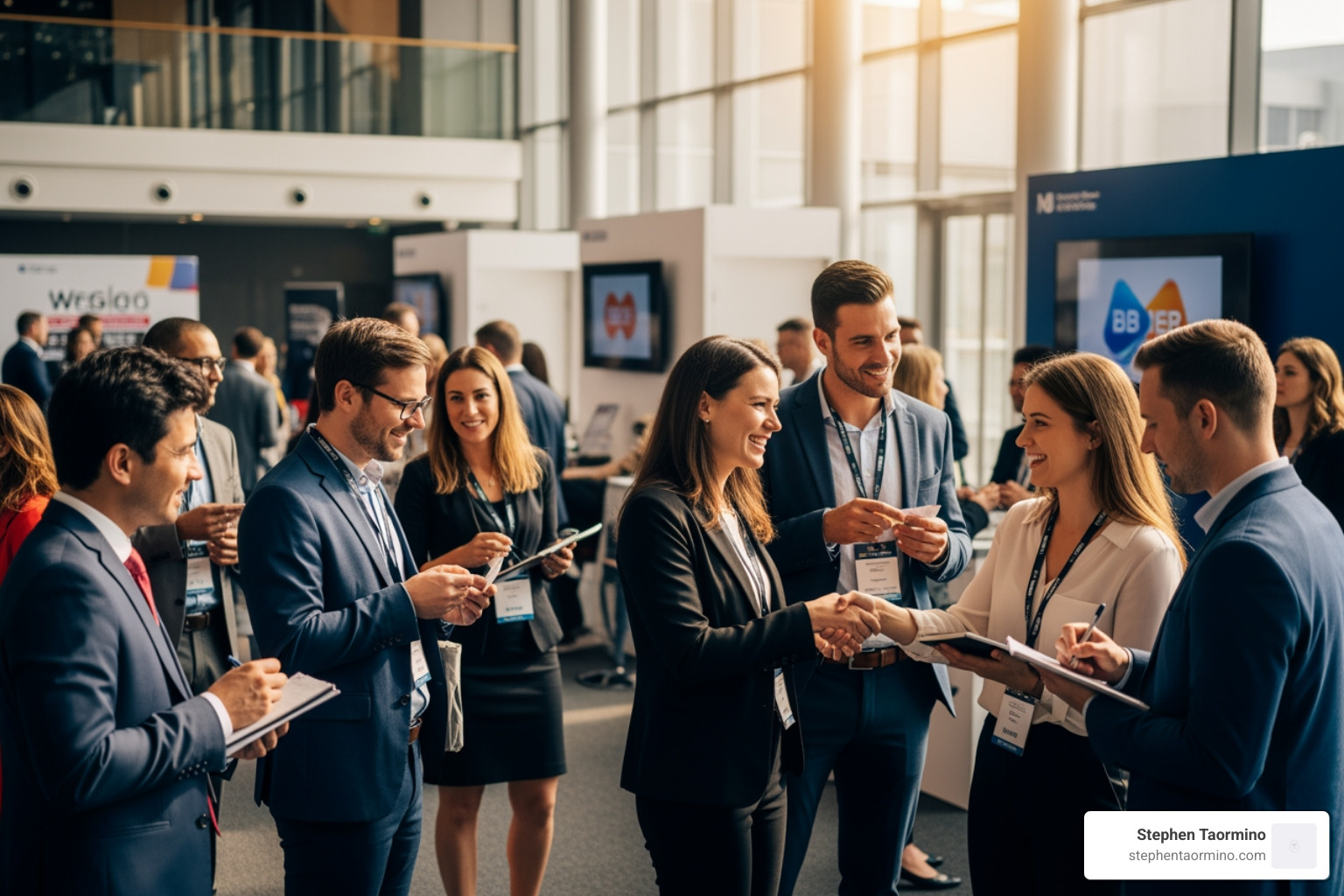
Speaking at a panel offers advantages that extend far beyond the applause. It’s a strategic move for professional growth, allowing us to showcase our expertise, expand our networks, and contribute meaningfully to industry conversations. These opportunities are often overlooked, yet they can significantly impact our careers.
Build Your Personal Brand and Authority
When we step onto a panel, we’re not just sharing information; we’re establishing ourselves as thought leaders. Performing well as a panelist can position us as a go-to resource in our field. This expert positioning can lead to media opportunities, attracting potential clients, partners, or even top talent. It’s about building our reputation and becoming recognized for our authoritative expertise. At CC&A Strategic Media, our passion lies in helping individuals and businesses open up their potential, and panel participation is a powerful tool for that.
Expand Your Professional Network
A panel discussion is an unparalleled networking event. We connect with fellow panelists, who are often leaders and experts in their own right, forging valuable peer relationships. The moderator, a key figure in the discussion, also becomes part of our professional circle. But the networking doesn’t stop there. After the discussion, we have a unique opportunity to engage directly with the audience, answer follow-up questions, and build lasting relationships. Many panelists find staying 15-20 minutes after their session for informal chats incredibly beneficial.
Contribute to the Industry Dialogue
Beyond personal gain, speaking at a panel allows us to give back to our professional community. We get to share our unique perspectives, which can be crucial in shaping important conversations and driving innovation. By participating, we contribute to a richer understanding of complex topics, offering insights that can inform and inspire. This engagement helps foster meaningful professional relationships and develops impactful leaders through the lens of marketing psychology, aligning with our broader mission at CC&A Strategic Media.
For more on public speaking, see More info about being a Public Speaker.
The Ultimate Preparation Checklist for Speaking at a Panel
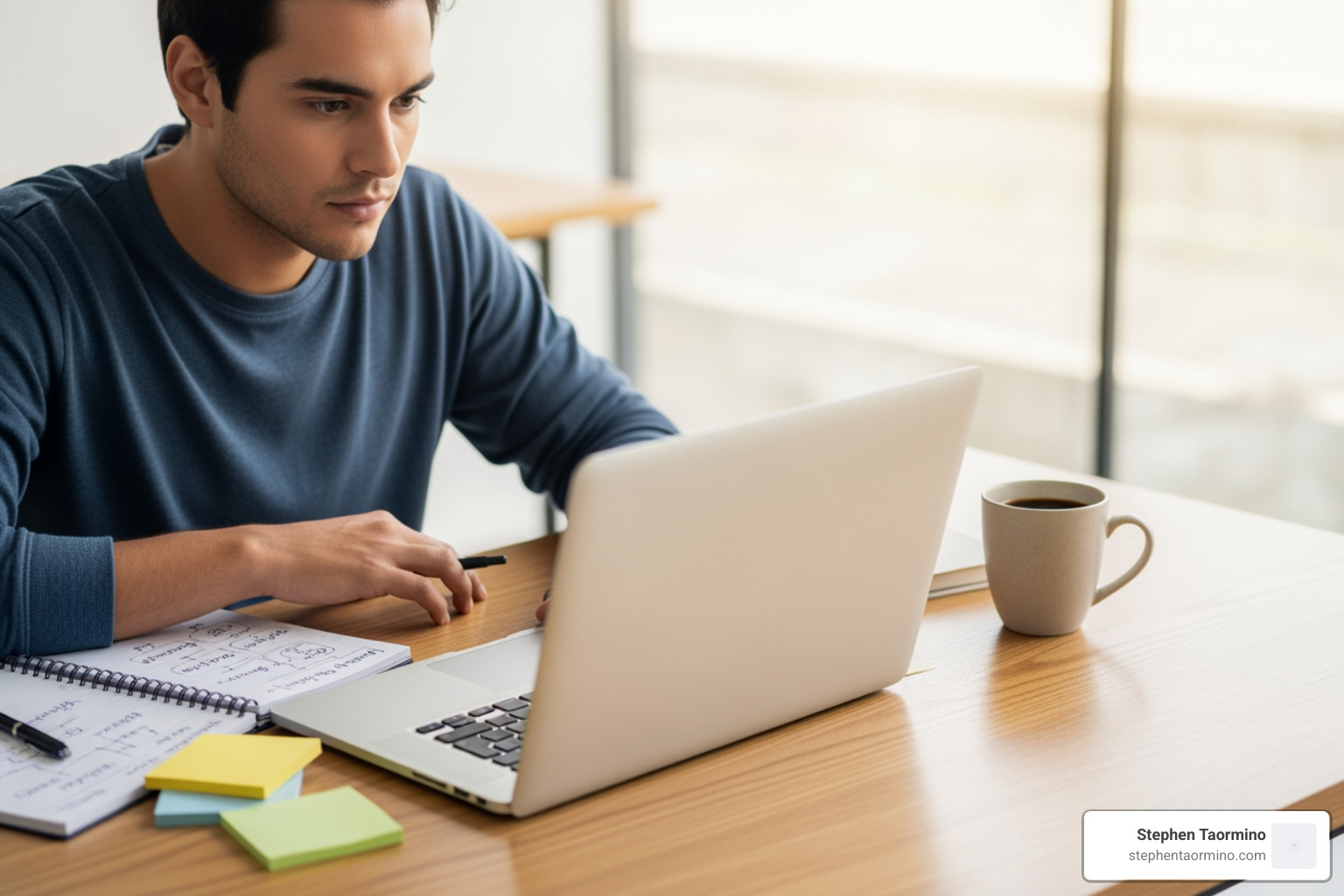
Effective preparation is the bedrock of a successful panel appearance. It transforms anxiety into confidence and ensures our contributions are valuable and memorable. At CC&A Strategic Media, we’ve learned that even the most seasoned speakers don’t “wing it”—they prepare carefully, combining technical expertise with a gift for strategy.
How to Prepare for Speaking at a Panel
Our preparation begins with understanding the event itself. We need to clarify the session’s structure, the setup, and the specific topics that will be covered. A crucial step is to connect with the moderator well in advance. This communication helps align expectations, understand our role, and grasp the overall format and agenda.
Next, we must analyze the audience. What compels them? What do they care about most? What biases might they have? What insights or tools would they most like to receive? Customizing our content for their needs makes our contributions far more compelling. If we can’t confidently answer these questions, we should ask the moderator or event organizers for more information.
Finally, we master our topic. This isn’t about memorizing a speech, but about having our facts in order, preparing key talking points, and being ready to speak extemporaneously from an outline. We should be ready to answer potential questions from the moderator, other panelists, and the audience. This proactive approach ensures we’re ready for anything.
For script tips, visit Panel Discussion Script Guide.
Research Your Fellow Panelists and Moderator
It’s not enough to know our own material; we must also know who we’re sharing the stage with. We recommend thorough research on our fellow panelists and the moderator. Professional networking platforms like LinkedIn are an excellent resource for this. We should review their past work, identify any synergies in our perspectives, and anticipate their viewpoints. Understanding where we agree, where we might differ, and how our expertise complements theirs will allow for a more dynamic and collaborative discussion.
Equally important is understanding the moderator’s style and their vision for the panel. Are they hands-on or more facilitative? Do they prefer a lively debate or a more structured Q&A? This research helps us tailor our contributions to fit the overall flow and ensures we’re playing to the moderator’s strengths, ultimately making the panel more cohesive and engaging for the audience.
For moderator tips, see Best Moderator Panel Discussion Tips.
Craft Your Key Messages and Stories
Once we understand the event, audience, and fellow speakers, we can craft our core message. We aim to develop 3-5 key points that we want the audience to take away. For each point, we prepare supporting stories and examples. Stories make abstract concepts concrete and make our insights memorable and relatable. As we often say at CC&A Strategic Media, “people may forget what you said, but they’ll never forget how you made them feel.”
A powerful framework for structuring our contributions is the “What? > So What? > Now What?” model. First, state your point or example (“What?”). Second, explain its importance or implications (“So What?”). Third, discuss its applications or next steps for the audience (“Now What?”). This structure ensures clarity and impact. We also think about memorable analogies to simplify complex ideas.
Finally, we prepare for the inevitable Q&A. We brainstorm potential questions and rehearse concise answers, ideally no longer than 90 seconds. This readiness allows us to engage confidently with the audience and demonstrate our expertise.
Plan Your Presence: Attire and Mindset
Our physical presence and mindset are just as important as our words. We always consider professional attire that is appropriate for the event, but also comfortable. One unique insight is to “wear pants when preparing for a panel to ensure comfort and appropriateness regardless of seating or venue temperature.” This practical advice ensures we’re comfortable and confident, whether we’re sitting on a high stool or a low couch, or if the air conditioning is blasting.
Beyond clothing, our mindset is key. We use positive visualization to imagine a successful panel, and practice breathing exercises to manage any pre-panel nervousness. We were invited for our expertise; focusing on that and our desire to serve the audience helps channel nervous energy into enthusiastic engagement. Being yourself and looking like you’re having fun is just as important as what you say to keep the audience engaged.
On Stage: The Do’s and Don’ts of Panel Participation
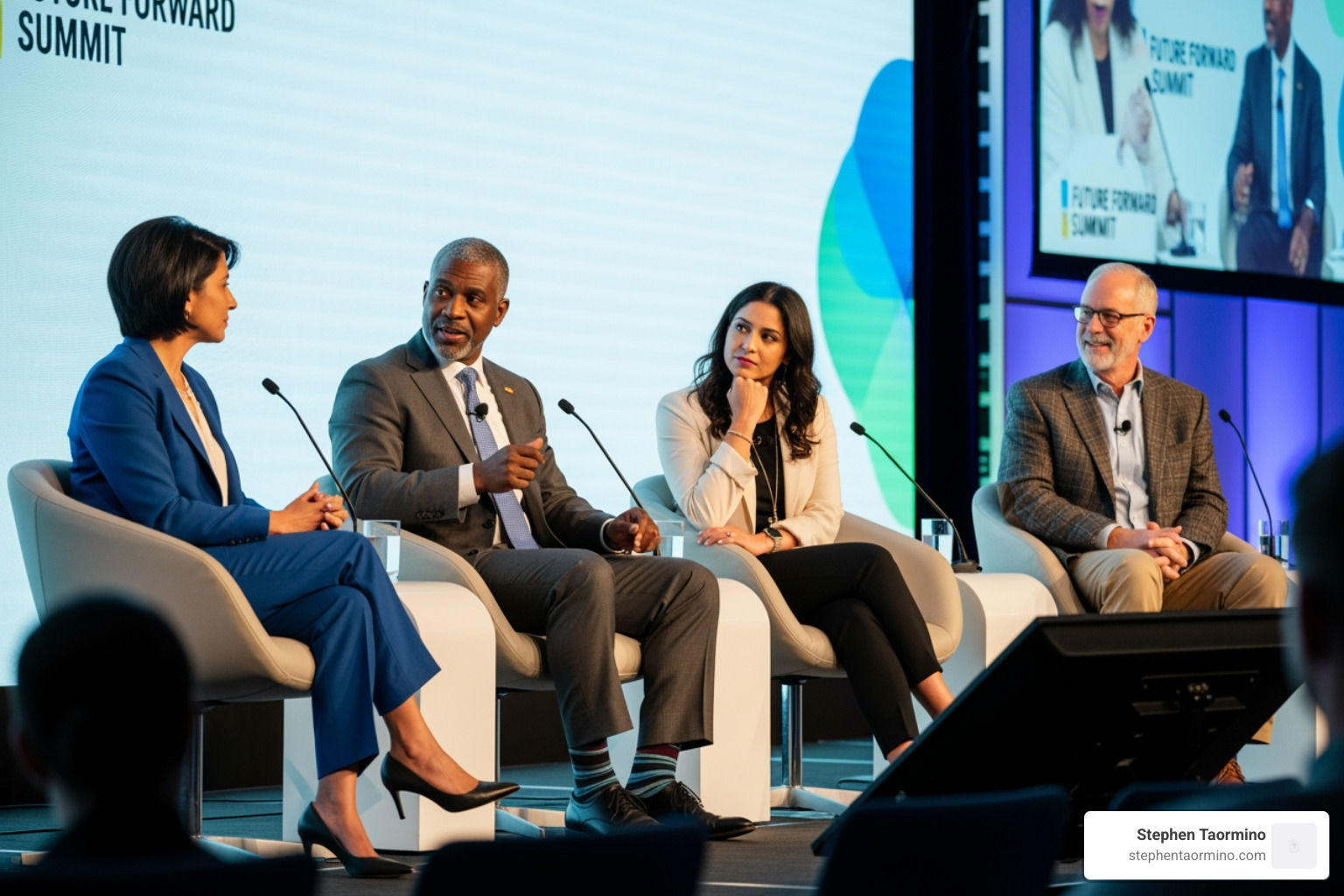
Once we’re on stage, it’s showtime. This is where preparation meets performance, and where our ability to engage, listen, and contribute thoughtfully truly shines. A well-executed panel discussion feels like a dynamic conversation, not a series of monologues.
Delivering Concise and Impactful Contributions
The golden rule for speaking at a panel is conciseness. We aim for approximately 90 seconds per response. This isn’t about being brief for brevity’s sake, but about respecting everyone’s airtime and keeping the audience engaged. Long-winded answers can quickly lose attention.
To achieve this, we avoid jargon and speak in clear, accessible language. Storytelling is our secret weapon: a short, relevant anecdote can make a point far more memorable than abstract concepts. We also use data effectively, incorporating relevant statistics to support our claims without overwhelming the audience. Most importantly, we stay on topic. If a question strays, we gently bring it back to the core theme, ensuring our contribution adds value to the discussion at hand.
Engaging with the Audience and Fellow Speakers
Engagement is a two-way street. We make eye contact with both the audience and our fellow panelists, creating a sense of connection. We use inclusive language, such as “Like many in the audience, I…” or “We all have…”, to draw everyone into the conversation.
Crucially, we listen actively to what other panelists are saying. Instead of waiting for our turn to speak, we genuinely absorb their points, allowing us to reference them and build upon their ideas. Phrases like “Building on what [Panelist Name] just said…” or “I see that slightly differently, and here’s why…” foster a collaborative discussion. Non-verbal cues, such as nodding, smiling, and open body positioning, also signal our engagement and receptiveness. At CC&A Strategic Media, we understand that these cues are vital in marketing psychology to build trust and rapport. We even cheat our body posture to be open to the audience, occasionally looking out at them to include them.
Handling Disagreements and Difficult Questions
Disagreements are natural and can even make a panel more compelling, as long as they are handled respectfully. Our best practice is to disagree diplomatically. We acknowledge the other person’s viewpoint before presenting our own. For example, instead of saying, “That’s wrong,” we might say, “I understand how your research could lead to that conclusion; however, my fieldwork indicates otherwise.” This approach focuses on ideas, not personal attacks, and enriches the discussion for the audience.
| Disrespectful Disagreement | Respectful Disagreement |
|---|---|
| “You’re completely mistaken.” | “I appreciate your perspective, and I’d like to offer an alternative view.” |
| “That’s a terrible idea.” | “While that approach has merit, I’ve found success with a different strategy.” |
| “Jane, that’s stupid.” | “Jane, I understand how your research could lead to infer this; however, my experience suggests…” |
Sometimes, we encounter questions we don’t know the answer to. In these moments, honesty and vulnerability are our greatest assets. Instead of faking it or pontificating, we simply say, “That’s a great question, and to be honest, I don’t have a definitive answer for that right now.” We might then offer to look into it, or even “punt” the question to another panelist: “I haven’t experienced that myself, but perhaps [Panelist Name] has some insights?” This shows humility and respect for the audience, and improves our credibility. Being honest when answering tricky questions is crucial—we might say, “I was worried someone would ask that because it’s a controversial topic. However, in my experience, …”
Common Pitfalls When Speaking at a Panel
To truly excel, we must also be aware of common pitfalls:
- Avoiding Self-Promotion: While a panel builds our brand, it’s not a sales pitch. We avoid shamelessly self-promoting and instead offer to discuss further after the panel. Our focus should be on serving the audience.
- Not Using Your Phone: Fiddling with a smartphone while others are speaking is distracting and disrespectful. We stay present and attentive.
- Staying Engaged When Not Speaking: When it’s not our turn, we remain ready and professional, looking at other panelists and actively listening. Our non-verbal cues still speak volumes.
- Avoiding Being a Contrarian: Disagree only if it truly benefits the audience and our reputation. Being contrary just for the sake of it can come across as disruptive and unhelpful.
- Respecting the Moderator’s Lead: The moderator is the conductor of the panel. We follow their lead, signal when we want to contribute, and respect time limits. A good panel discussion for an hour-long session typically allocates 15-30 minutes for Q&A, and panelists should aim for 3-5 minutes for opening remarks, with moderated discussion taking 10-15 minutes per topic. Effective time management is crucial for a smooth flow.
After the Applause: Leveraging Your Panel Appearance
The panel discussion doesn’t end when the applause fades. The period immediately following the event is a golden opportunity to deepen connections and amplify our message. At CC&A Strategic Media, we view this as a crucial part of the overall experience, allowing us to leverage our participation for maximum impact through digital change and strategic communication.
Continue the Conversation
We always make an effort to network with attendees after the session. Many event organizers even encourage panelists to stay 15-20 minutes for informal chats, as this extends the value of our participation. This is a chance to answer more specific questions, engage in deeper discussions, and distribute business cards. We also connect with our fellow panelists and the moderator offline, fostering those new professional relationships. Building these lasting connections is a key benefit of speaking at a panel.
Amplify Your Message
Our work isn’t done once we leave the stage. We actively amplify our message to reach a wider audience and reinforce our thought leadership. This includes:
- Posting on social media: Sharing key takeaways, photos, and thanking the organizers and fellow panelists.
- Writing a blog post recap: Expanding on our key points and offering additional insights.
- Creating video clips: If the session was recorded, we can share short, impactful segments.
- Adding the appearance to our speaker bio: Updating our professional profile to reflect our latest contributions.
By proactively continuing the conversation and amplifying our message, we extend the reach and impact of our panel appearance, further solidifying our personal brand and expertise.
For more on keynote speaking, see More info about being a Keynote Speaker.
Frequently Asked Questions about Speaking at a Panel
How long should my answers be?
Your answers should be concise and impactful, ideally lasting around 90 seconds. This allows other panelists time to speak and keeps the audience engaged. Focus on delivering one key idea with a supporting story or example. People prefer snappy, well-thought-out answers to interesting questions, so make every second count.
What should I do if I disagree with another panelist?
Disagree respectfully and diplomatically. Acknowledge their point first—for example, by saying, “I understand your perspective, and I appreciate that insight…”—before presenting your alternative view, adding “…however, my experience suggests…” or “I’ve found a different approach yields these results…” Focus on the ideas, not the person, to foster a healthy debate that benefits the audience and provides diverse viewpoints.
How can I overcome my fear of public speaking on a panel?
Thorough preparation is the best antidote to anxiety. At CC&A Strategic Media, we encourage you to research the topic extensively, know your 3-5 key messages inside and out, and practice articulating them concisely. You were invited for your expertise, so own that! On the day, use breathing exercises to calm your nerves, and focus on connecting with one friendly face in the audience at a time. The audience wants you to succeed, and your authenticity will resonate far more than flawless delivery.
Conclusion: Your Next Step to Panel Perfection
Speaking at a panel is a powerful way to build your confidence, expand your network, and establish your expertise. With the right preparation and mindset, you can turn every panel appearance into an opportunity to connect, inform, and inspire. From meticulous research to engaging on stage and leveraging post-event opportunities, every step contributes to a memorable and impactful experience.
Ready to take the next step in refining your public speaking skills and becoming a true pro? Explore more resources from Steve Taormino and the team at CC&A Strategic Media, and watch examples of expert speaking engagements.